Stay up to date, subscribe to our newsletter!

Subscribe
Customer Log in GLM
Beontag

Graphics and Label Materials

Graphics and Label Materials

A wide range of labeling, self-adhesive, special papers, and other graphic and label materials

Learn more - Graphics and Label Materials

Resources

Image without altDatasheetsImage without altBrochuresImage without altStock and Trim Free Guide

Categories

See all - Categories

Pressure-sensitive adhesive - Categories
Prime Papers - Prime PapersVariable Info - Variable InfoDigital Variable Info - Digital Variable InfoFilms - FilmsSpecialty Beverage - Specialty BeverageSpecialty Papers & Films - Specialty Papers & Films
Paper Grades - Paper GradesFluorescents & Astrobrights - Fluorescents & AstrobrightsSpecialty Grades - Specialty GradesFilms & Foils - Films & Foils
Transfer-adhesive - Transfer-adhesive
Release Liner - CategoriesSustainable Products - Categories

Applications

See all - Applications

Health and Beauty Product - CategoriesLabel Materials for Cannabis Products - CategoriesLumber and Outdoor Tag Material - CategoriesBumper Sticker Products - CategoriesTextile and Garment Labels - CategoriesTight Mandrel - CategoriesTosca RPC Approved Labels - CategoriesSmall Office & Home Office Applications - CategoriesFood Packaging Tamper-Evident Label Products - Categories

RFID and IoT Enablers

RFID and IoT Enablers

A wide range of IoT enablers and smart tags, such as RFID, NFC and BLE, to connect billions of items worldwide.

Learn more - RFID and IoT Enablers

Resources

Image without altBrochures

Categories

See all - Categories

RFID and NFC Tags & Inlays - CategoriesBLE Tags - CategoriesSpecialty Labels - CategoriesOn Metal Labels - CategoriesHard Tags - CategoriesSustainable Products - Categories

Applications

See all - Applications

Inventory Management - CategoriesLogistics and Supply Chain - CategoriesMass Market - CategoriesBeauty and Personal Care - CategoriesAutomotive - CategoriesPayments - CategoriesSmart Cities - Categories

Applications

Personal and Home CareFood and BeverageHealthcare and PharmaceuticalSupply Chain and LogisticsMass Market and RetailIndustrial and Durable GoodsElectronic and ElectricalSee all applications

About us

About usESGCertifications & RecognitionsCareers

Newsroom

CasesPress ReleasesBlogBrochuresWhitepapers
Contact Us
Subscribe
Customer Log in GLM
Beontag
Graphic and Label MaterialsRFID and Iot Enablers

Beontag

About usESGCareersCertificationsCompliancePrivacy Policy

Newsroom

CasesPress ReleasesBlogBrochuresContact us

© 2026 All rights reserved.
Ubistart

Background blue shapeBackground blue shape

Change country/region?

You're viewing our available portfolio for

Our portfolio may vary depending on your location. Please choose the region or country according to where you are.

Change my country/region

Self-Adhesive Labels for Pharmaceuticals: Compliance, Safety, and Tracking

Trotwood - US |Beontag |31/03/2026

Self-Adhesive Labels for Pharmaceuticals must meet strict regulatory, safety, and traceability standards while withstanding demanding storage and handling conditions. From compliance to cold-chain durability, pharmaceutical labels require precision. Explore how to design compliant, reliable pharma labeling systems.

Background blue shapeBackground blue shape rotate-180

Explore more products that may interest you

Paper card to access controlline shape

RFID Sustainable Products

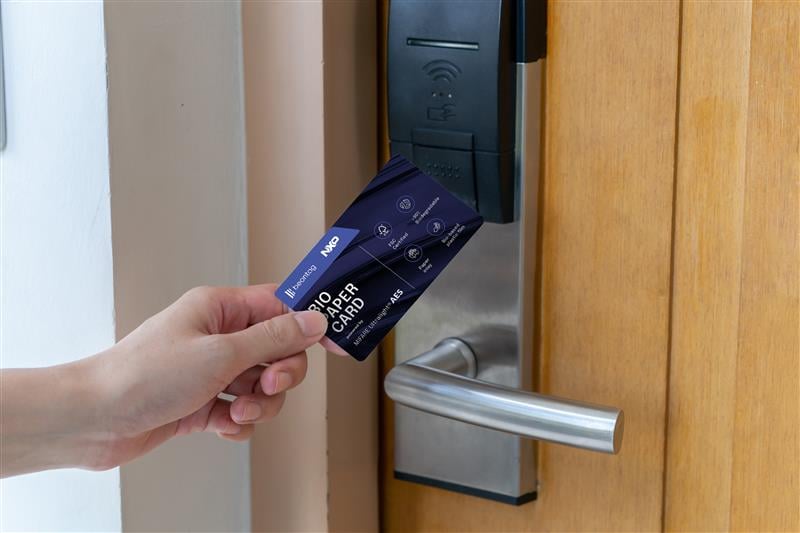
Bio Paper Card – HF NFC Sustainable Key Card for Access & EV Charging

NFC / Dimensions 85,5 x 54mm

Beontag's Bio Paper Card is a sustainable, high-performance alternative for access control applications. This paper-based HF RFID card is ideal for limited-use tickets and key cards, offering a seamless user experience and reducing environmental impact compared to traditional plastic cards, while delivering the same levels of performance in terms of read range and reliability. Available also with NXP® Semiconductors MIFARE® DUOX for electric vehicle (EV) charging, ensuring security, quality and trust for authentication and payments at Charge Pint Operators (CPOs), E-Mobility Service Providers (EMSPs), and EVSE Equipment Providers.

See datasheet

Image without altline shape

Specialty RFID Labels

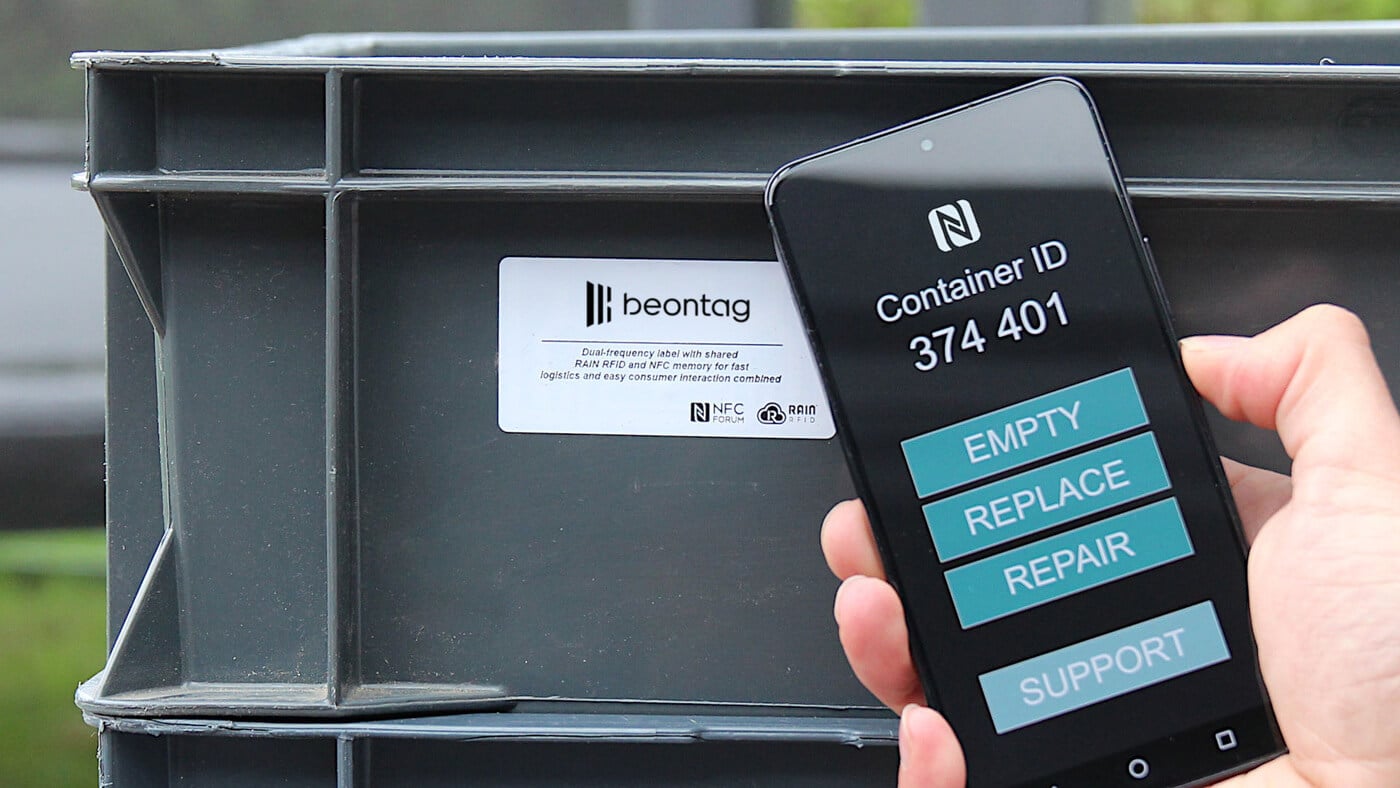
Carrier Dual - Dual Frequency UHF & NFC Tag for Logistics and Retail

Dual frequency / Antenna 33 x 67 mm

Best-in-class dual frequency product for RTIs and other applications that require the long-range RAIN RFID functionality for supply chain management and inventory counting but also NFC interface for consumer interaction at the point-of-delivery. Shared memory makes data handling easy via both interfaces.

See datasheet

microwave rfid tagline shape

Specialty RFID Labels

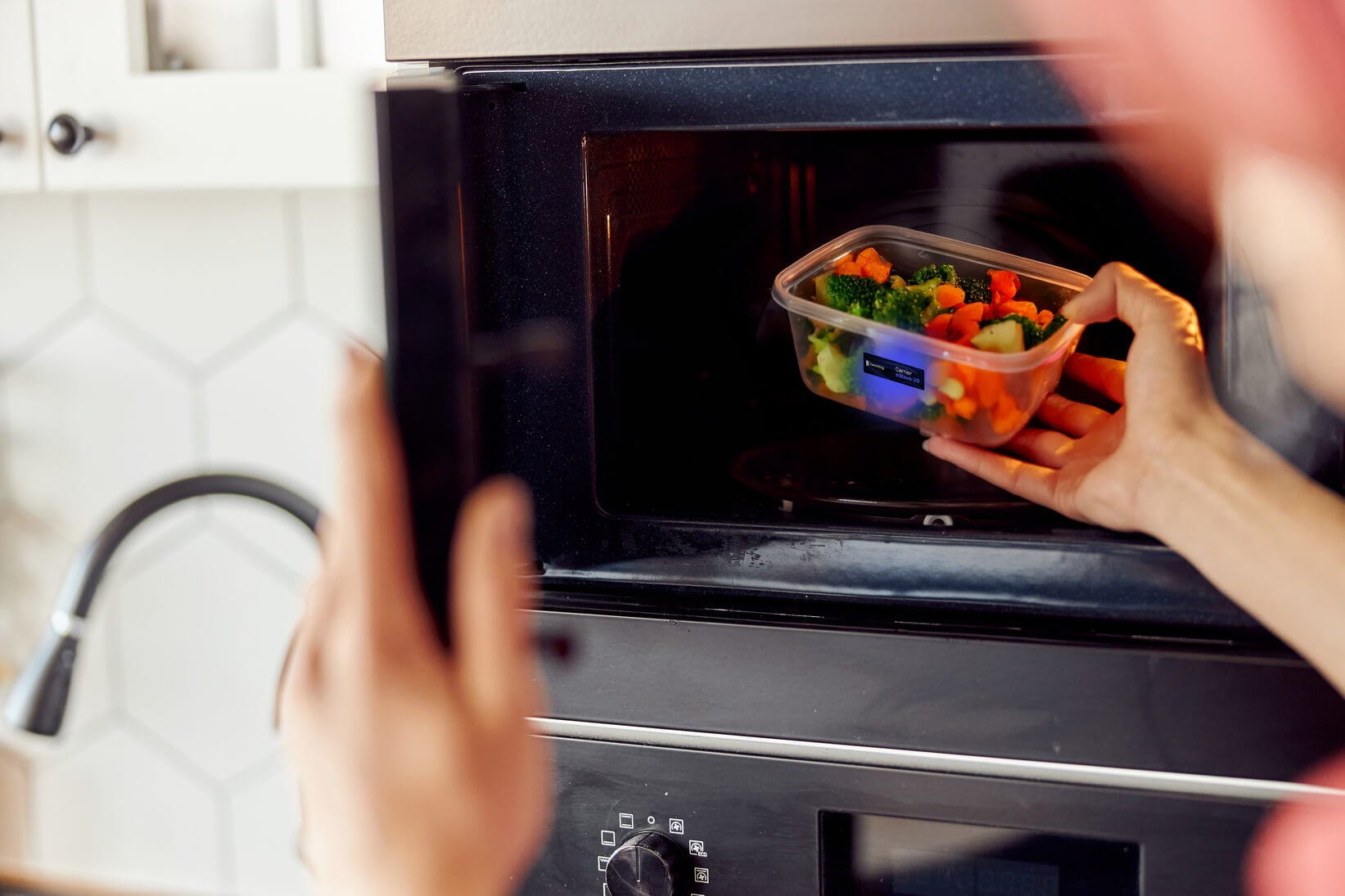
Carrier eWave - UHF RFID Label for Reusable Packaging and Microwave Resistance

UHF RFID / Antenna 38 x 10 mm

Carrier eWave is a washable, industrial-grade UHF label, compliant with microwave ovens, ideal for returnable and reusable food packaging applications, as it ensures circularity, asset management and supply chain processes while being safe and resistant.

See datasheet

Image without altline shape

Specialty RFID Labels

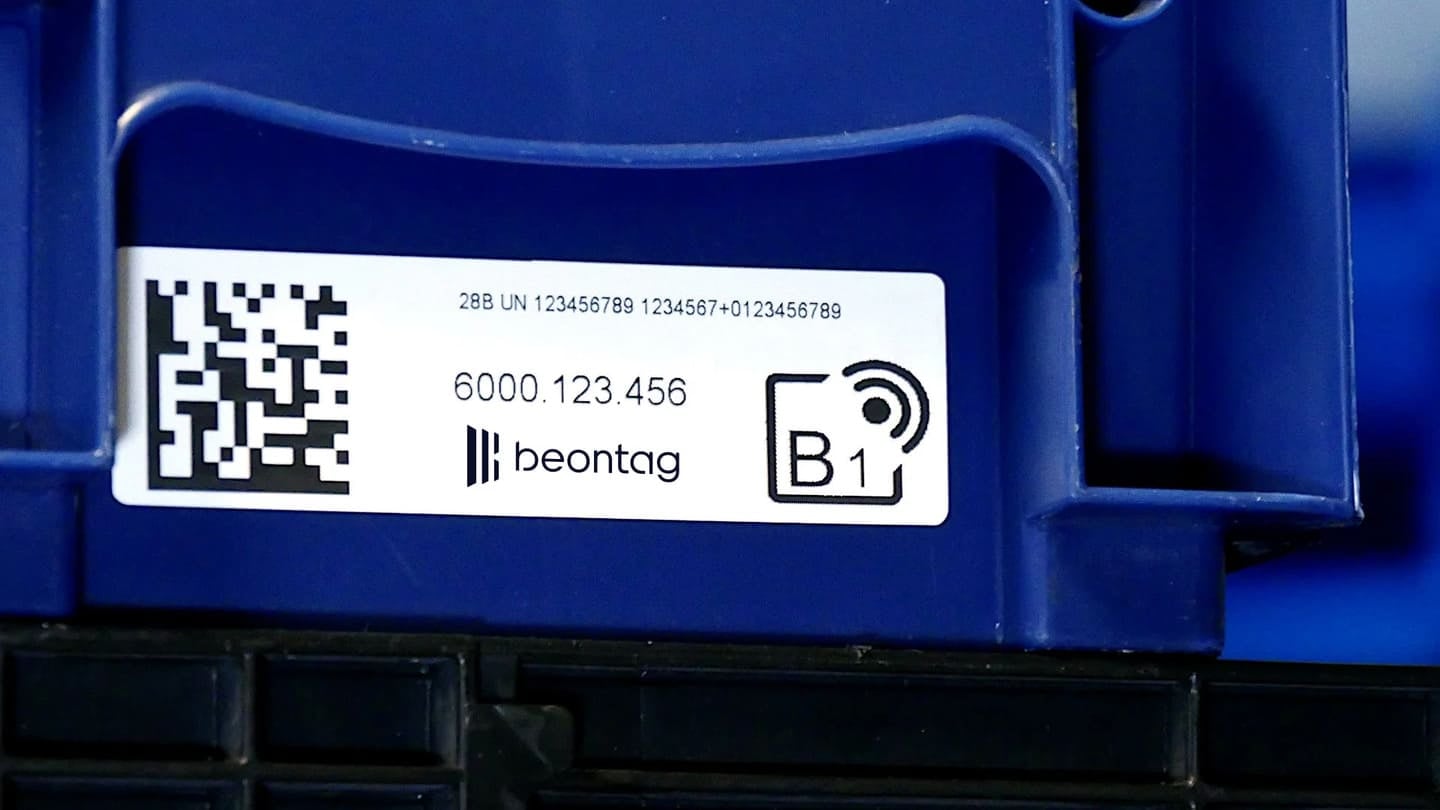
Carrier KLT – UHF RFID Label for Automotive Supply Chain (VDA 4500)

UHF RFID / Antenna 20 x 88 mm

Carrier KLT is a VDA 4500 compliant RFID label specifically designed for automotive industry applications. It is also available with optional protective layer for better printing durability and uses the same antenna design as Carrier PRO with proven performance.

See datasheet

Image without altline shape

Specialty RFID Labels

Carrier Pro – UHF RFID Tag for Asset Tracking and High Water Content Products

UHF RFID / Antenna 20 x 88 mm

Carrier Pro offers larger area for visual printing. Unique antenna design offers reliable tracking even when close to products that have high water content.

See datasheet

Image without altline shape

RFID Hard Tags

Carrier Tough Slim – Durable UHF RFID Hard Tag for Industrial Asset Tracking

UHF RFID / Dimensions 122 x 18 x 2 mm

Designed for the harshest environments, Carrier Tough Slim provides you the robustness of hard tags with full personalization options.

See datasheet

Image without altline shape

RFID and NFC Tags & Inlays

Crosswave Neo – UHF RFID Tag with 360-Degree Readability Logistics and Supply Chain

UHF RFID / Antenna 46,5 x 72 mm

Unique dual-dipole behavior combined with performance of the latest IC generation. 360-degree readability offers reliable and fast logistics even in challenging environments.

See datasheet

Image without altline shape

Specialty RFID Labels

Cruiser Headlamp – Transparent UHF RFID Tag for Automotive and Vehicle Tracking

UHF RFID / Antenna 8,5 x 87 mm

Transparent and small Cruiser Headlamp label is an excellent choice for headlamp use in cars and motorcycles. All its materials are tested against chemicals, high temperatures and UV light. Its infrared protection guarantees optimal performance.

See datasheet

Image without altline shape

Specialty RFID Labels

Cruiser Windshield Crypto – UHF RFID Tag with Encryption for Vehicle Identification

UHF RFID / Antenna 11 x 93 mm

Cruiser Windshield Crypto label enables fast and secure transactions with its encryption feature. The data encryption prevents frauds while the IC's fast readability is maintained at the same time. Long reading distance and durable materials make sure traffic flow is not interrupted.

See datasheet

Image without altline shape

Specialty RFID Labels

Cruiser Windshield – Tamper-Evident UHF RFID Label for Fast Vehicle Identification

UHF RFID / Antenna 88 x 20 mm

Cruiser Windshield label offers full customization and encoding options with tamper-evident security. The label is especially designed for fast and reliable vehicle identification.

See datasheet

Image without altline shape

Specialty RFID Labels

Eclipse – Compact NFC RFID Tag for Retail and Anti-Counterfeiting

NFC / Antenna 21,75 x 11,85 mm

Eclipse are compact tags designed to meet the specific demands of retailers. The small size makes them the ideal choice for retail and apparel applications that leverage NFC technology for customer experience, authentication, and anti-counterfeiting applications. These tags come with additional protection features such as memory with security mechanisms and 3 pass mutual authenticarion process, to ensure privacy of users' data during interactions

See datasheet

Image without altline shape

RFID Sustainable Products

RFID and NFC Tags & Inlays

ECO Bale - Sustainable UHF RFID Tag for Pulp Bales

UHF RFID / Antenna 94 x 24 mm

ECO Bale is designed and optimized for tagging pulp bales and complies with the special requirements of the pulping process. ECO Bale enables end-to-end traceability until the bale, with the tag included, enters the papermaking process and dissolves.

See datasheet

Pharmaceutical packaging is one of the most regulated and technically demanding labeling environments in the world. Labels are not merely branding elements because they are critical carriers of dosage instructions, safety warnings, batch identification, and traceability information that directly impact patient health and regulatory compliance.

Errors in pharmaceutical labeling can lead to product recalls, compliance penalties, or serious safety risks. This complexity makes label construction and material selection a strategic, not operational, decision.

This guide explains how Self-Adhesive Labels for Pharmaceuticals are designed to meet compliance requirements, survive real-world conditions, and support serialization mandates. Continue reading to understand how to build pharmaceutical labeling systems that combine safety, durability, and traceability from the start.

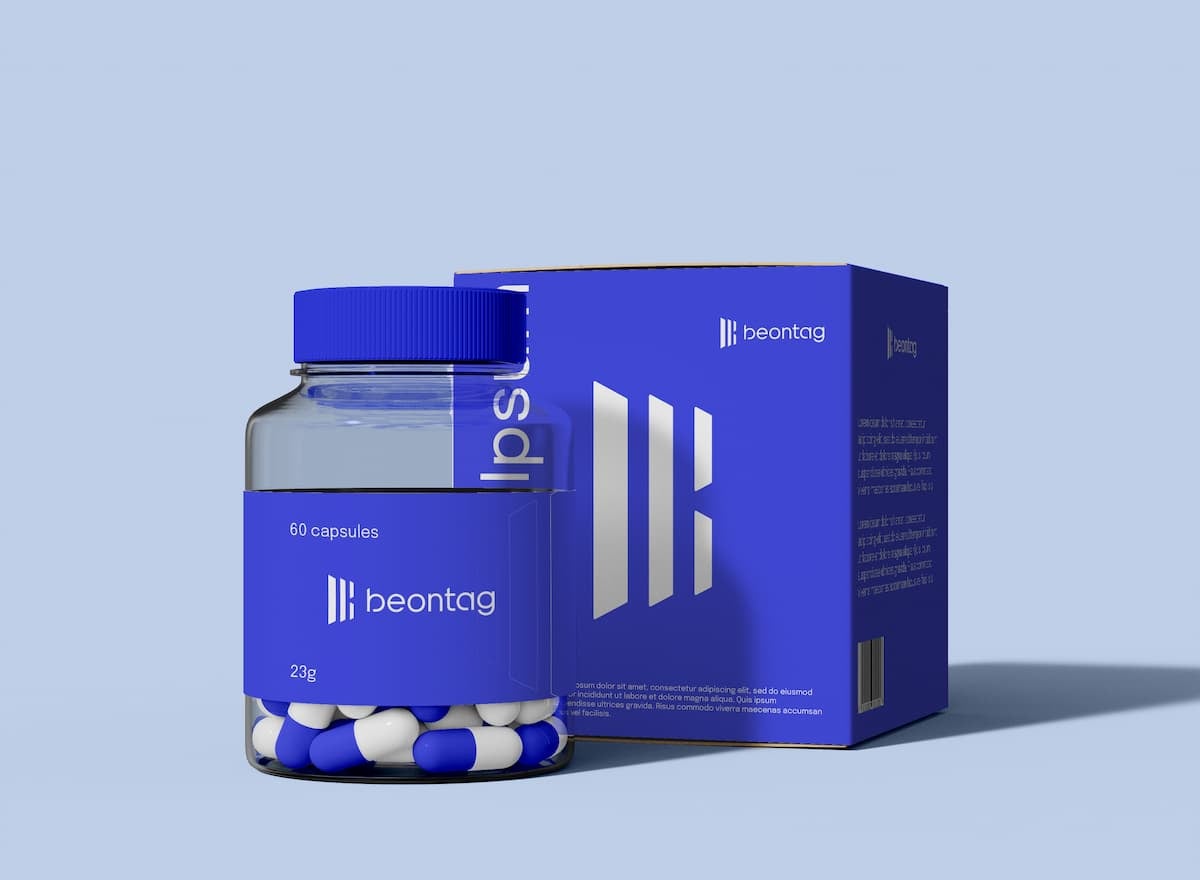
Blue capsule bottle and matching pharmaceutical box with self-adhesive labels, highlighting branded packaging for healthcare and supplement products.

Why are pharmaceutical labels different? 

Pharmaceutical labels are different because they must meet strict regulatory, safety, and traceability requirements that go far beyond conventional packaging. They function as legal documents, safety instructions, and supply chain identifiers simultaneously, making accuracy and durability non-negotiable. 

Unlike retail labels, pharmaceutical labels must comply with regulations such as FDA requirements and serialization mandates under frameworks like the Drug Supply Chain Security Act (DSCSA). These standards define how product information, lot numbers, expiration dates, and identifiers must appear and remain legible. 

Additionally, pharma labels must maintain adhesion and readability across controlled environments, including cold storage, sterile facilities, and transportation conditions. This combination of compliance pressure and environmental exposure makes self-adhesive labels for pharmaceuticals uniquely demanding. 

What “self-adhesive labels” mean in pharma packaging? 

In pharmaceutical packaging, self-adhesive labels refer to pressure-sensitive constructions that adhere with applied pressure and require no heat or water activation. Their clean application process supports sterile environments and automated packaging lines. 

Self-adhesive labels for pharmaceuticals are typically supplied on rolls with release liners, allowing precise dispensing and high-speed application. This reduces contamination risk and ensures consistency during large production runs under GMP-controlled environments. 

Because pharmaceutical operations prioritize efficiency and cleanliness, pressure-sensitive systems are preferred for their reliability, minimal mess, and compatibility with serialization printing technologies used in modern pharmaceutical packaging lines. 

The basic compliance that shapes label requirements 

Compliance is the foundation of pharmaceutical labeling. Regulations define not only what information must appear on packaging but also how durable, readable, and traceable that information must remain throughout the product’s lifecycle. 

These self-adhesive labels for pharmaceuticals must support regulatory alignment with national and international standards. These include FDA labeling rules, DSCSA traceability requirements, and global serialization frameworks guided by GS1 standards. 

The following compliance pillars influence label design, material choice, and print technology selection in pharmaceutical packaging environments. 

Labeling rules 

Pharmaceutical labeling rules define mandatory content such as active ingredients, dosage, warnings, lot numbers, and expiration dates. Text size, contrast, and placement must ensure readability and prevent medication errors. 

Labels must maintain clarity throughout distribution and storage. Smudging, fading, or detachment may result in non-compliance and safety concerns. Durability is directly linked to regulatory performance. 

GMP labeling controls 

Good Manufacturing Practice (GMP) standards require strict control over labeling processes to prevent mix-ups and ensure traceability. Label storage, issuance, and reconciliation must follow documented procedures. 

Self-Adhesive Labels for Pharmaceuticals must support these controls through consistent roll quality, reliable dispensing, and validated printing performance. Material traceability and supplier documentation also contribute to GMP compliance. 

Real-world conditions pharma labels must withstand 

Pharmaceutical labels must endure environmental and mechanical stress without compromising compliance or readability. They are exposed to temperature changes, moisture, handling, and chemical contact throughout manufacturing and distribution. 

It must balance strong adhesion with chemical resistance and print durability. Performance failures can disrupt supply chains and invalidate serialized tracking. 

Check out some of the key real-world challenges that pharmaceutical labels must consistently withstand. 

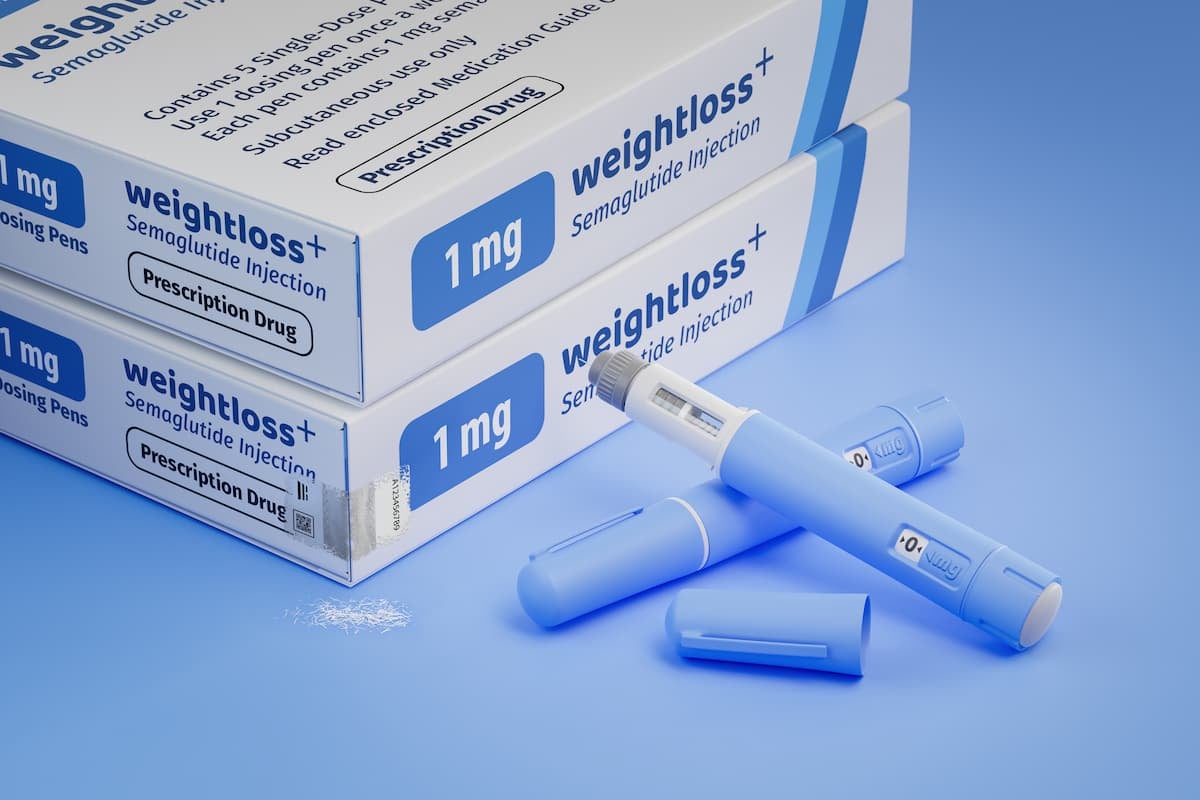
Pharmaceutical semaglutide injection boxes and dosing pens featuring a VOID eggshell security label on the carton, designed to provide tamper evidence and anti-counterfeit protection.

Cold chain, humidity, and handling 

Many pharmaceutical products require refrigeration or freezing during storage and transport. Adhesives must maintain track and shear strength at low temperatures while resisting condensation. 

Humidity fluctuations can weaken adhesion or affect facestock stability. Frequent handling during distribution increases abrasion risks. Cold-chain performance is therefore a primary selection criterion. 

[TEXT IMAGE #2: Self-adhesives for the pharmaceutical line - com logo.jpg] 

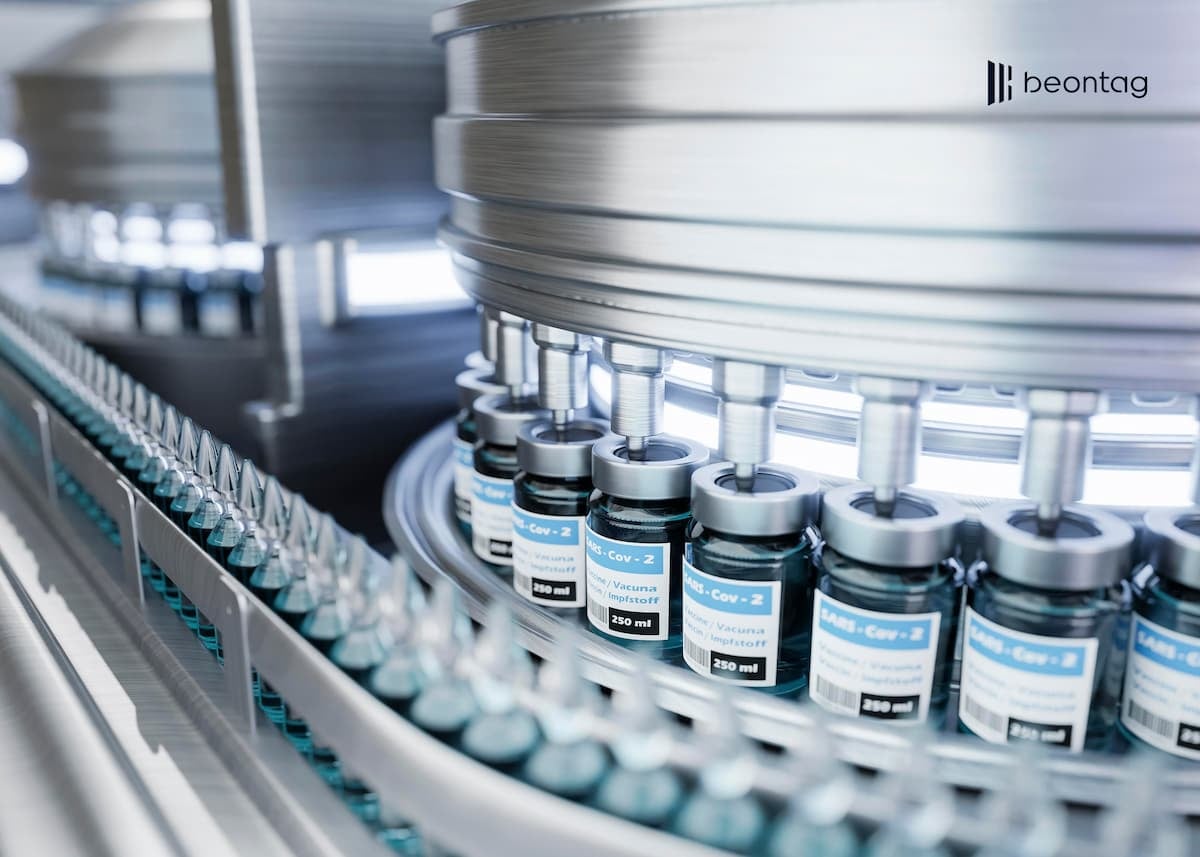
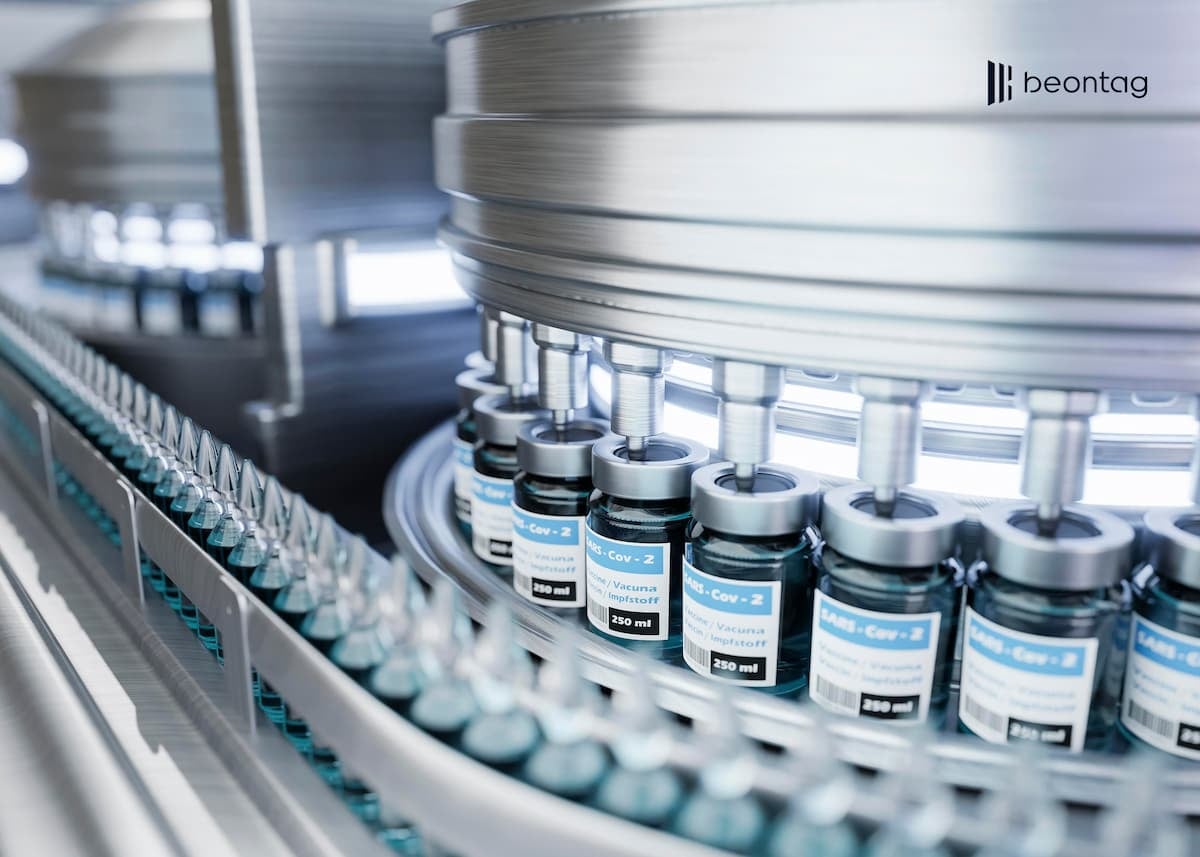
Pharmaceutical vials on an automated production line with self-adhesive labels applied during high-speed filling and packaging.

Chemical resistance and durability 

Pharmaceutical labels may contact alcohol wipes, cleaning agents, or sterilization chemicals. Adhesives and facestocks must resist degradation, smearing, or discoloration under exposure. 

Durability ensures that critical information remains intact. Chemical resistance testing is often part of qualification protocols. This resilience supports compliance and patient safety. 

Doctor holding a pharmaceutical vial with a self-adhesive label in a clinical setting.

Adhesion to common pharma substrates 

Pharmaceutical packaging commonly uses glass vials, HDPE bottles, blister packs, and cartons. Each substrate presents different surface energy characteristics. 

Self-Adhesive Labels for Pharmaceuticals must be compatible with smooth glass, textured plastics, or coated cartons. Correct adhesive selection prevents edge lift and flagging across formats. 

Common applications 

Self-Adhesive Labels for Pharmaceuticals are used across multiple primary and secondary packaging formats, each requiring specific performance characteristics and compliance alignment. Common applications include: 

  • Vial and syringe labels – Small diameters require conformability and strong adhesion under cold conditions.
  • Bottle labels – Must withstand handling and moisture while maintaining barcode readability.
  • Blister pack labels – Require precise application and durability on coated substrates.
  • Carton labels and tamper-evident seals – Support traceability and anti-counterfeiting measures.
  • Specialty healthcare solutions – As highlighted in industry case studies, tailored adhesive systems enable high-performance medical labeling applications. 

Check out more applications for Beontag’s Graphic and Label Materials. 

Tracking and serialization: what changes on the label? 

Serialization has transformed pharmaceutical labeling by requiring unique product identifiers on each saleable unit. Self-adhesive labels for pharmaceuticals must now accommodate complex variable data and scannable codes without compromising durability. 

Regulations such as DSCSA mandate traceability across the supply chain, while GS1 standards define DataMatrix structures and encoding rules. Label construction must support precise printing and reliable scanning. 

The following tracking components directly impact pharmaceutical label design and material selection. 

Linear barcodes (NDC) and scan reliability 

National Drug Code (NDC) linear barcodes remain common in U.S. pharmaceutical labeling. They must remain scannable throughout storage and handling. 

Adhesive stability prevents wrinkling that could distort barcodes. Print clarity ensures accurate scanning at distribution points. Reliability reduces supply chain disruptions. 

2D DataMatrix and DSCSA-ready packs 

2D DataMatrix codes enable serialization and track-and-trace compliance. They store more data in smaller spaces, making them ideal for compact pharmaceutical packaging. 

Self-Adhesive Labels for Pharmaceuticals must support high-resolution printing and stable surfaces. Compliance readiness depends on consistent code readability. 

Print quality and verification 

Print verification systems inspect barcode quality during production. Labels must maintain surface integrity to pass grading standards. 

Adhesive and facestock compatibility directly influence print sharpness. Consistent performance supports regulatory audits. 

How do you choose the right label construction? 

Choosing the right label construction for pharmaceutical applications means aligning compliance, environment, substrate, and print technology requirements from the beginning. 

Self-Adhesive Labels for Pharmaceuticals must be evaluated as complete systems rather than isolated components. Material synergy ensures performance under GMP and serialization conditions. 

The following structured approach helps guide material selection decisions. 

  • Start with the packaging surface - Identify whether the label will bond to glass, HDPE, PET, or carton. Surface energy influences adhesive wet-out and bond strength. Testing on actual substrates reduces risk. Substrate mapping is the first critical step. 
     
  • Map the environment your label must survive - Evaluate temperature range, humidity exposure, and chemical contact. Cold storage and sterilization affect material stability. Environmental mapping defines adhesive requirements. 
     
  • Choose facestock for legibility and durability - Facestock must support print clarity and resist abrasion or chemicals. Material thickness affects conformability. Durability protects regulatory information. 
     
  • Don’t overlook the liner - Release liner performance affects dispensing accuracy. Stable release properties support GMP control. Liner selection influences efficiency. 
     
  • Make sure your print method supports compliance and scan reliability - Digital, flexographic, or thermal methods require compatible facestocks. Print clarity affects barcode grading. Method alignment reduces rework. 
     
  • Design for barcodes and serialization from day one - Space allocation and contrast planning improve scan success. Serialization must be integrated seamlessly. Early planning avoids redesigning costs. 
     
  • Validate with a simple qualification plan - Conduct peel, shear, and environmental tests. Simulate cold-chain conditions. Document results for compliance records. 

Common label failures and how to prevent them 

Pharmaceutical label failures typically result from misaligned material selection or inadequate testing. Even small defects can compromise compliance and patient safety. 

Common issues include edge lift under cold conditions, barcode distortion from wrinkling, and adhesive failure due to condensation exposure. Preventive strategies include substrate testing, environmental simulation, and validated adhesive selection. 

A proactive qualification process significantly reduces operational risk. By addressing performance early, manufacturers ensure that Self-Adhesive Labels for Pharmaceuticals maintain integrity across production, distribution, and end use. 

How can Beontag help? 

Pharmaceutical labeling demands precision, compliance alignment, and performance reliability. Material expertise plays a central role in ensuring labels withstand environmental stress, support serialization, and meet regulatory expectations. 

Beontag develops advanced adhesive materials designed to meet complex labeling challenges across healthcare and pharmaceutical applications. With a strong portfolio of pressure-sensitive solutions and global technical support, Beontag contributes to reliable, compliant label systems. 

Explore how Beontag’s portfolio of adhesive materials can support your pharmaceutical labeling strategy and contact our team to discover solutions engineered for compliance, safety, and tracking excellence. 

GLM-labeled blueberry jam jar on a tabletop, highlighting label design and packaging solutions for food and beverage products.

You may also like to see

Pharmaceutical production line with vaccine vials moving through an automated filling machine, featuring self-adhesive labels applied to each container for clear identification and traceability.line shape

RFID/IoT

GLM

What are self-adhesive (pressure-sensitive) labels and how do they work?

Last Updated 04/08/2026

Self-adhesive labels are label constructions that rely on pressure-sensitive adhesives to bond to su...

Close-up of a Beontag RAIN RFID hard tag mounted on a metal structure, showing an ID number and an electrical warning symbol.line shape

RFID/IoT

GLM

Understanding RFID Hard Tags: Function, Benefits, and Selection

Last Updated 03/04/2026

RFID hard tags are durable identifiers used to track, secure, and manage assets in demanding environ...

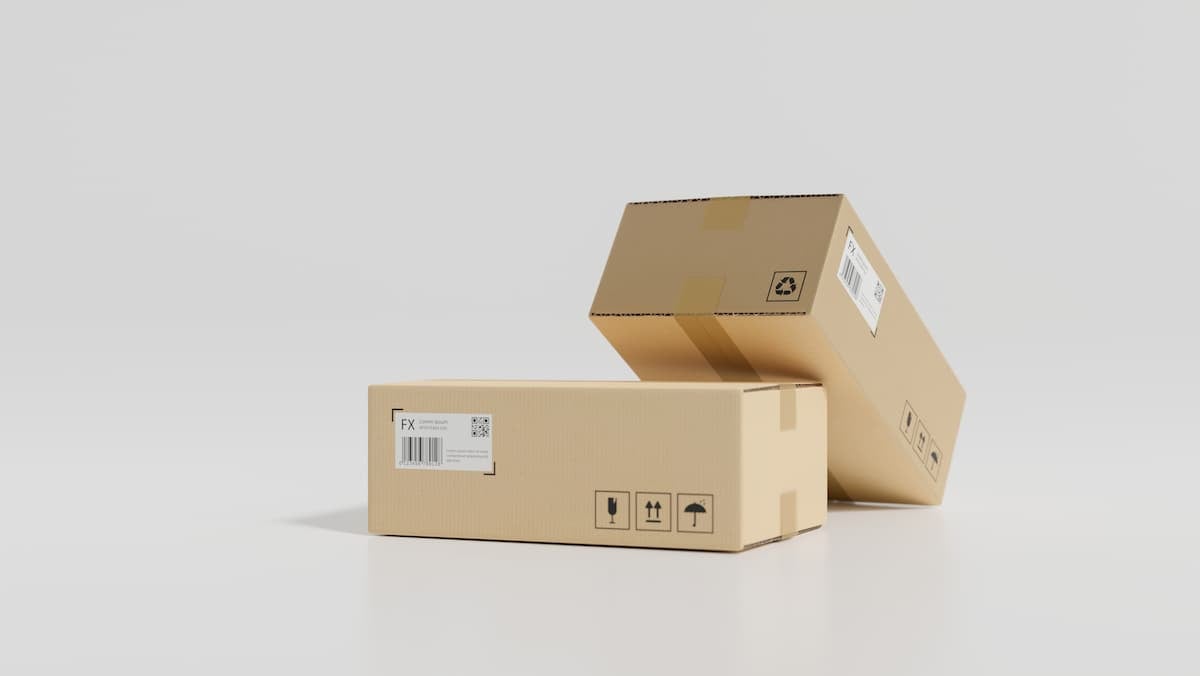
Pressure-sensitive adhesive how to choose: two cardboard shipping boxes with barcode labels and handling symbols on a clean studio background.line shape

RFID/IoT

GLM

How to Choose the Right Pressure-Sensitive Adhesive for Your Label Printing

Last Updated 02/24/2026

To choose the right pressure-sensitive adhesive for label printing you need to understand substrates...

RFID in retail store associate scanning packaged goods on a grocery shelf with a handheld scanner for real-time inventory accuracy.line shape

RFID/IoT

How RFID in retail works: From backroom blind spots to real-time shelf visibility

Last Updated 02/19/2026

RFID in retail refers to the use of radio frequency identification technology to track products auto...

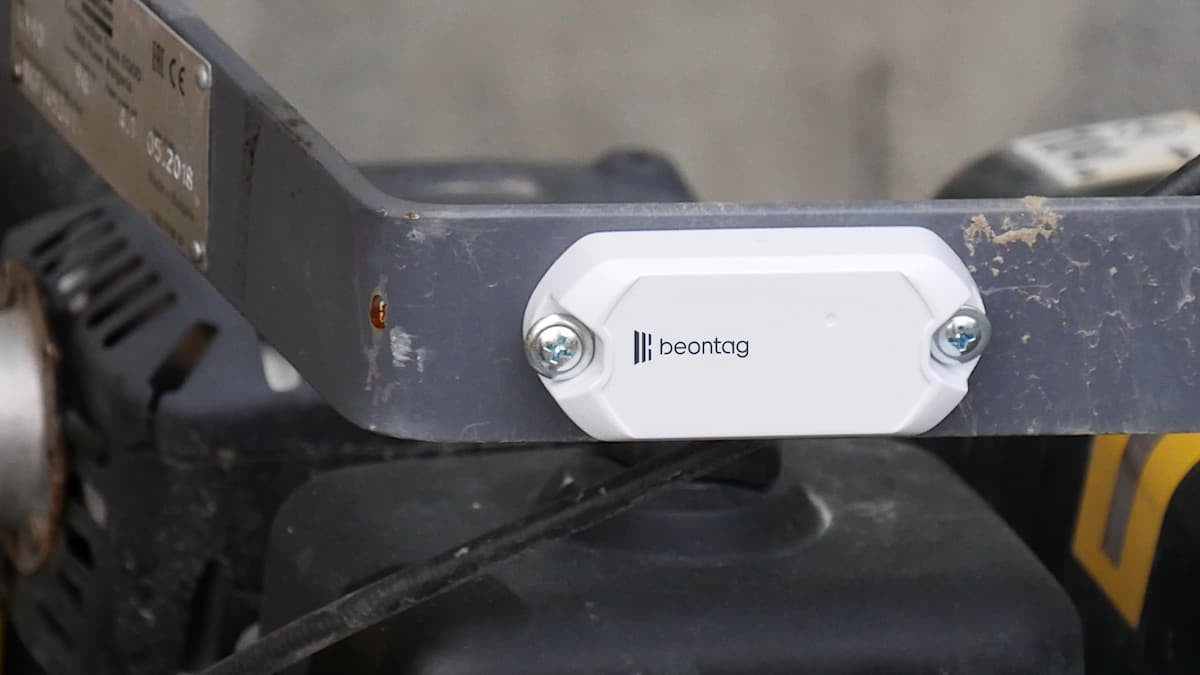
A close-up of a Beontag RFID hard tag mounted with screws on industrial equipment.line shape

RFID/IoT

RFID Labels vs Hard Tags: What’s the Difference and Which Should You Choose?

Last Updated 02/10/2026

RFID labels are ideal for high-volume, low-cost tracking thanks to their flexibility and easy applic...

Amber dropper bottle with a blue label resting on a wooden board against a pink background with shadow lines.line shape

GLM

Hot Melt vs. Water-Based Adhesives: Which Is Right for Your Labels?

Last Updated 02/04/2026

Hot melt and water-based adhesives serve different label needs depending on performance, environment...

Car windshield with an RFID tag near the A-pillar, illustrating rfid read range for vehicle identification and access control.line shape

RFID/IoT

What Really Affects RFID Read Range - and How to Improve It

Last Updated 01/26/2026

RFID read range is the maximum distance at which a tag can be detected by a reader. Keep reading to ...

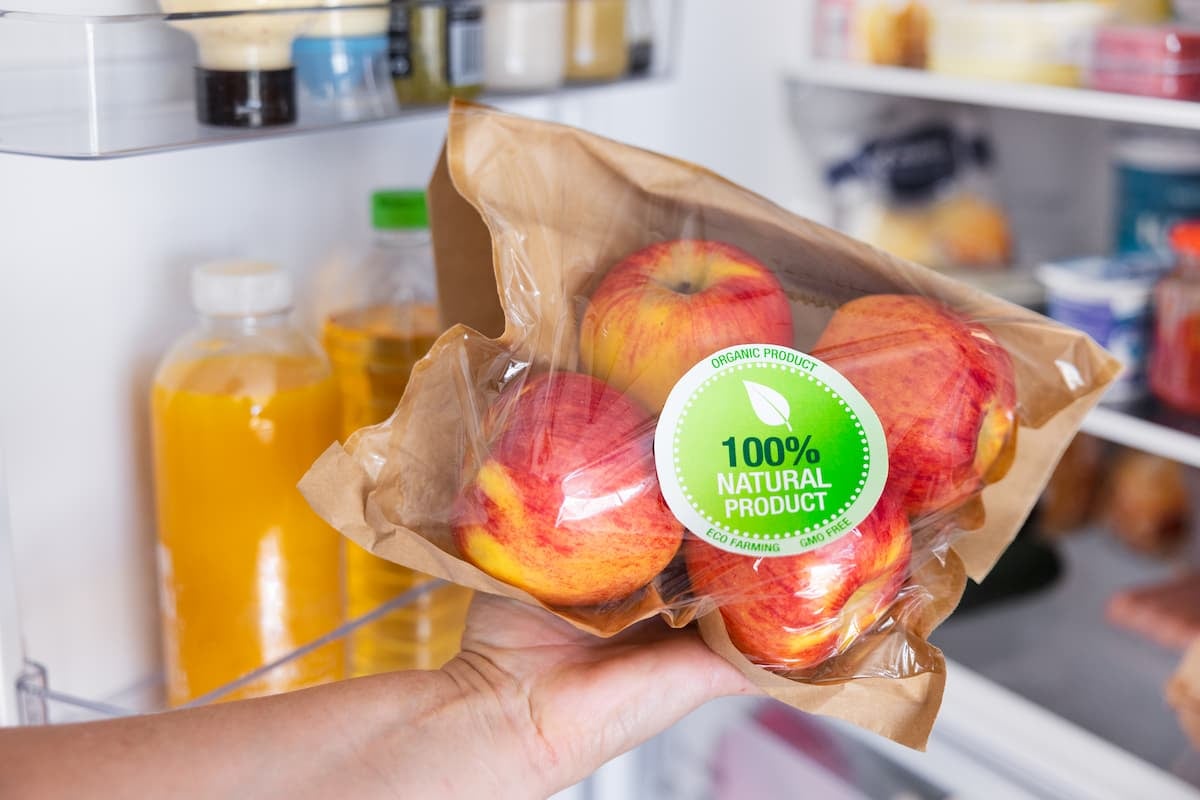
Hand holding a bag of apples with a “100% natural product” sticker inside a refrigerator, highlighting labeling trends in food packaging and consumer transparency.line shape

GLM

What labeling trends will shape pressure-sensitive adhesives for labels in 2026?

Last Updated 01/23/2026

The labeling trends that are shaping PSA for labels in 2026 include circular packaging, cleaner chem...

Woman in business attire at a supermarket self-checkout, holding an orange product package and looking at it beside payment terminals.line shape

RFID/IoT

What RFID trends will shape retail, industry, and cities in 2026?

Last Updated 01/27/2026

RFID trends for 2026 are item-level visibility, digital product passports, automated experiences, sm...

Glass-front convention center with flags and taxis outside, representing the venue and atmosphere of NRF 2026.line shape

RFID/IoT

GLM

NRF 2026: How Beontag and Temera Are Leveling Up the Retail Experience

Last Updated 01/22/2026

NRF 2026 is the world’s leading retail innovation event, and Beontag will be there with Temera to sh...

Beontag logo sticker on a white vehicle door, illustrating pressure-sensitive-adhesive labeling.line shape

GLM

Understanding Pressure-Sensitive Adhesives: Properties, Types, and Uses

Last Updated 01/20/2026

Pressure-sensitive adhesives are versatile bonding materials activated by light pressure. Explore ho...

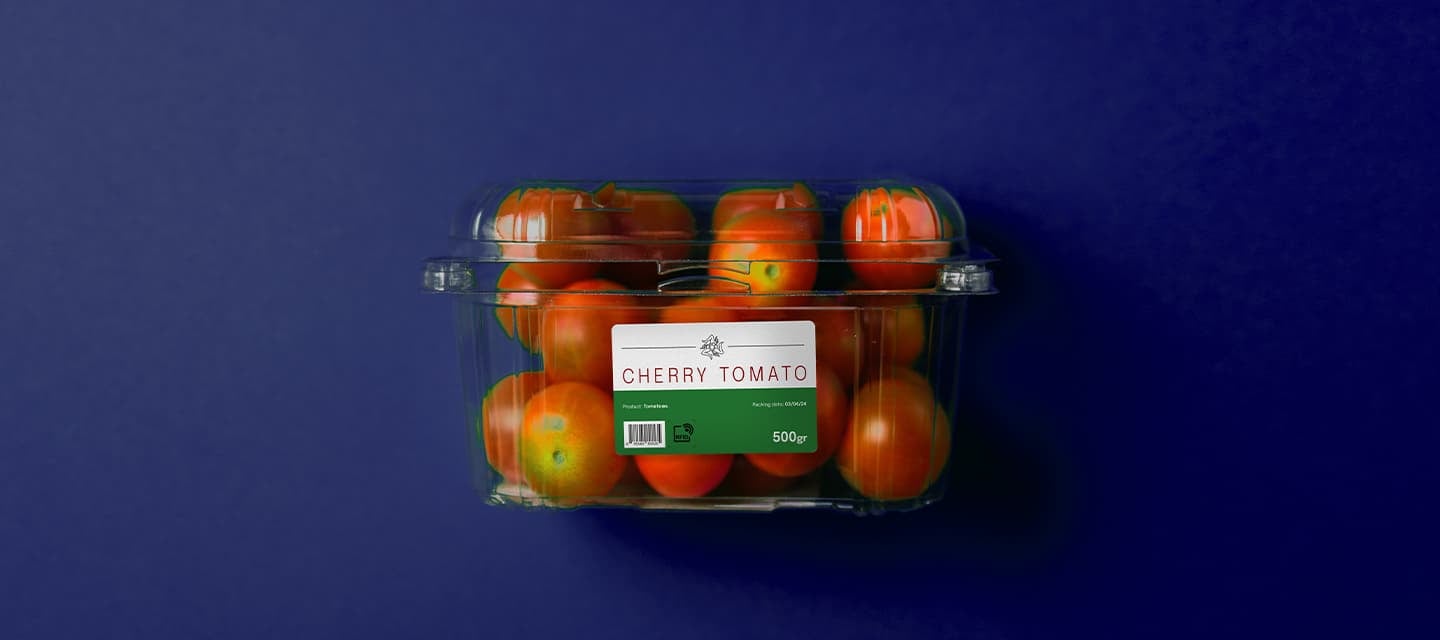
Cherry tomato packaging with a clear container and product sticker, illustrating types of self adhesive labels used in fresh food packaging.line shape

GLM

Types of Self-Adhesive Labels: Comparing Paper, Film, and Hybrid Constructions

Last Updated 01/13/2026

The three main types of self-adhesive labels are paper, film, and hybrid. Paper offers versatility a...