Stay up to date, subscribe to our newsletter!

Subscribe
Customer Log in GLM
Beontag

Graphics and Label Materials

Graphics and Label Materials

A wide range of labeling, self-adhesive, special papers, and other graphic and label materials

Learn more - Graphics and Label Materials

Resources

Image without altDatasheetsImage without altBrochuresImage without altStock and Trim Free Guide

Categories

See all - Categories

Pressure-sensitive adhesive - Categories
Prime Papers - Prime PapersVariable Info - Variable InfoDigital Variable Info - Digital Variable InfoFilms - FilmsSpecialty Beverage - Specialty BeverageSpecialty Papers & Films - Specialty Papers & Films
Paper Grades - Paper GradesFluorescents & Astrobrights - Fluorescents & AstrobrightsSpecialty Grades - Specialty GradesFilms & Foils - Films & Foils
Transfer-adhesive - Transfer-adhesive
Release Liner - CategoriesSustainable Products - Categories

Applications

See all - Applications

Health and Beauty Product - CategoriesLabel Materials for Cannabis Products - CategoriesLumber and Outdoor Tag Material - CategoriesBumper Sticker Products - CategoriesTextile and Garment Labels - CategoriesTight Mandrel - CategoriesTosca RPC Approved Labels - CategoriesSmall Office & Home Office Applications - CategoriesFood Packaging Tamper-Evident Label Products - Categories

RFID and IoT Enablers

RFID and IoT Enablers

A wide range of IoT enablers and smart tags, such as RFID, NFC and BLE, to connect billions of items worldwide.

Learn more - RFID and IoT Enablers

Resources

Image without altBrochures

Categories

See all - Categories

RFID and NFC Tags & Inlays - CategoriesBLE Tags - CategoriesSpecialty Labels - CategoriesOn Metal Labels - CategoriesHard Tags - CategoriesSustainable Products - Categories

Applications

See all - Applications

Inventory Management - CategoriesLogistics and Supply Chain - CategoriesMass Market - CategoriesBeauty and Personal Care - CategoriesAutomotive - CategoriesPayments - CategoriesSmart Cities - Categories

Applications

Personal and Home CareFood and BeverageHealthcare and PharmaceuticalSupply Chain and LogisticsMass Market and RetailIndustrial and Durable GoodsElectronic and ElectricalSee all applications

About us

About usESGCertifications & RecognitionsCareers

Newsroom

CasesPress ReleasesBlogBrochuresWhitepapers
Contact Us
Subscribe
Customer Log in GLM
Beontag
Graphic and Label MaterialsRFID and Iot Enablers

Beontag

About usESGCareersCertificationsCompliancePrivacy Policy

Newsroom

CasesPress ReleasesBlogBrochuresContact us

© 2026 All rights reserved.
Ubistart

Background blue shapeBackground blue shape

Change country/region?

You're viewing our available portfolio for

Our portfolio may vary depending on your location. Please choose the region or country according to where you are.

Change my country/region

What labeling trends will shape pressure-sensitive adhesives for labels in 2026?

Trotwood - US |Beontag |23/01/2026

The labeling trends that are shaping PSA for labels in 2026 include circular packaging, cleaner chemistry, waste reduction, smart identification, and high-speed automation. These trends are redefining adhesive performance, recyclability, and compliance requirements. See more details!

Background blue shapeBackground blue shape rotate-180

Explore more products that may interest you

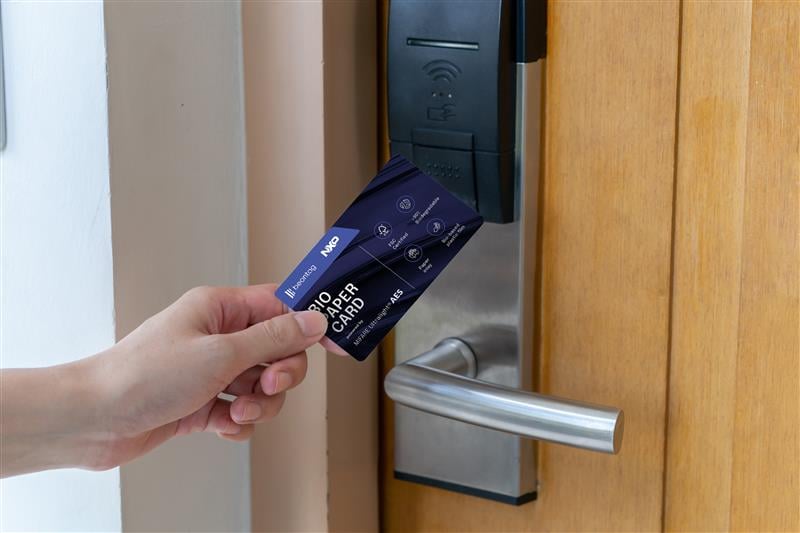
Paper card to access controlline shape

RFID Sustainable Products

Bio Paper Card – HF NFC Sustainable Key Card for Access & EV Charging

NFC / Dimensions 85,5 x 54mm

Beontag's Bio Paper Card is a sustainable, high-performance alternative for access control applications. This paper-based HF RFID card is ideal for limited-use tickets and key cards, offering a seamless user experience and reducing environmental impact compared to traditional plastic cards, while delivering the same levels of performance in terms of read range and reliability. Available also with NXP® Semiconductors MIFARE® DUOX for electric vehicle (EV) charging, ensuring security, quality and trust for authentication and payments at Charge Pint Operators (CPOs), E-Mobility Service Providers (EMSPs), and EVSE Equipment Providers.

See datasheet

Image without altline shape

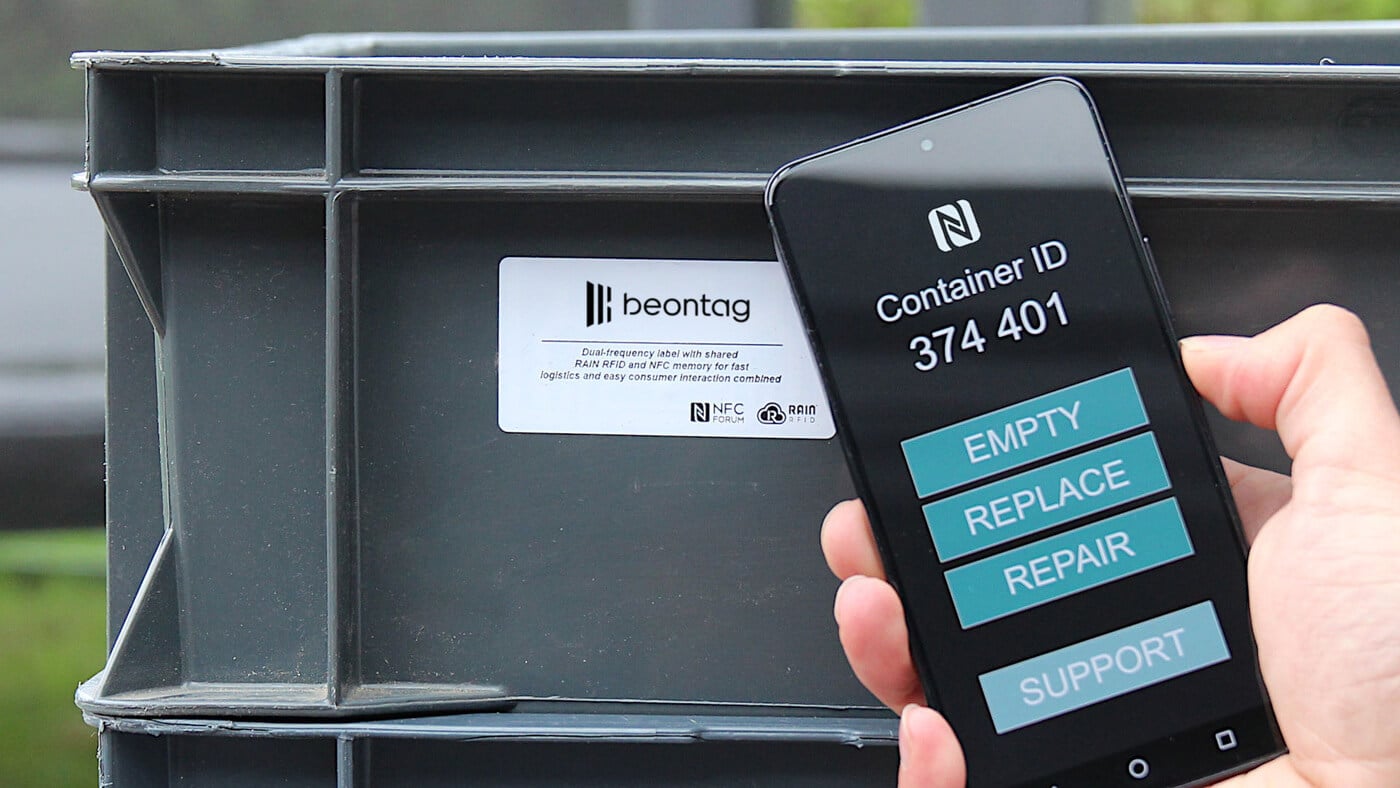
Specialty RFID Labels

Carrier Dual - Dual Frequency UHF & NFC Tag for Logistics and Retail

Dual frequency / Antenna 33 x 67 mm

Best-in-class dual frequency product for RTIs and other applications that require the long-range RAIN RFID functionality for supply chain management and inventory counting but also NFC interface for consumer interaction at the point-of-delivery. Shared memory makes data handling easy via both interfaces.

See datasheet

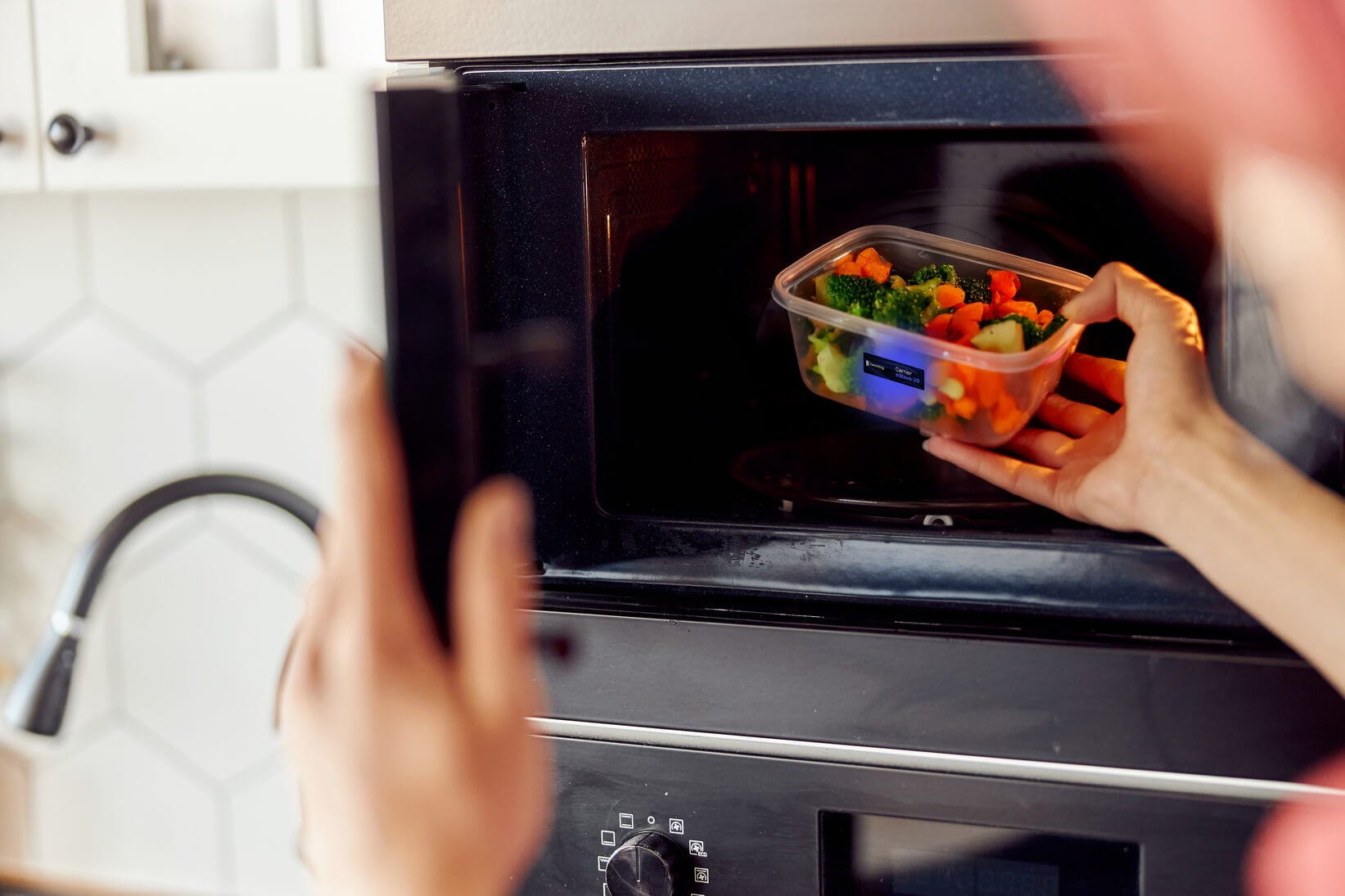
microwave rfid tagline shape

Specialty RFID Labels

Carrier eWave - UHF RFID Label for Reusable Packaging and Microwave Resistance

UHF RFID / Antenna 38 x 10 mm

Carrier eWave is a washable, industrial-grade UHF label, compliant with microwave ovens, ideal for returnable and reusable food packaging applications, as it ensures circularity, asset management and supply chain processes while being safe and resistant.

See datasheet

Image without altline shape

Specialty RFID Labels

Carrier KLT – UHF RFID Label for Automotive Supply Chain (VDA 4500)

UHF RFID / Antenna 20 x 88 mm

Carrier KLT is a VDA 4500 compliant RFID label specifically designed for automotive industry applications. It is also available with optional protective layer for better printing durability and uses the same antenna design as Carrier PRO with proven performance.

See datasheet

Image without altline shape

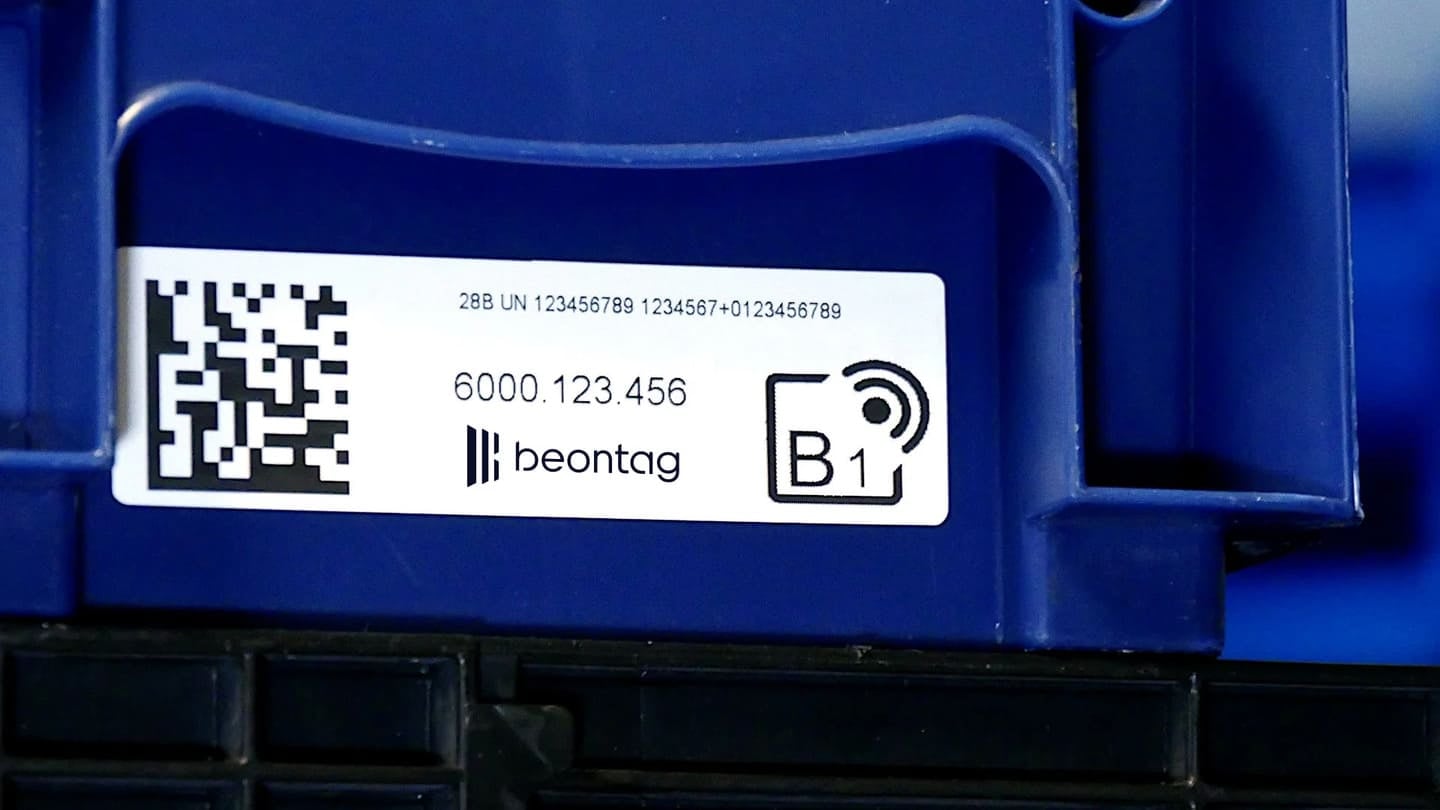
Specialty RFID Labels

Carrier Pro – UHF RFID Tag for Asset Tracking and High Water Content Products

UHF RFID / Antenna 20 x 88 mm

Carrier Pro offers larger area for visual printing. Unique antenna design offers reliable tracking even when close to products that have high water content.

See datasheet

Image without altline shape

RFID Hard Tags

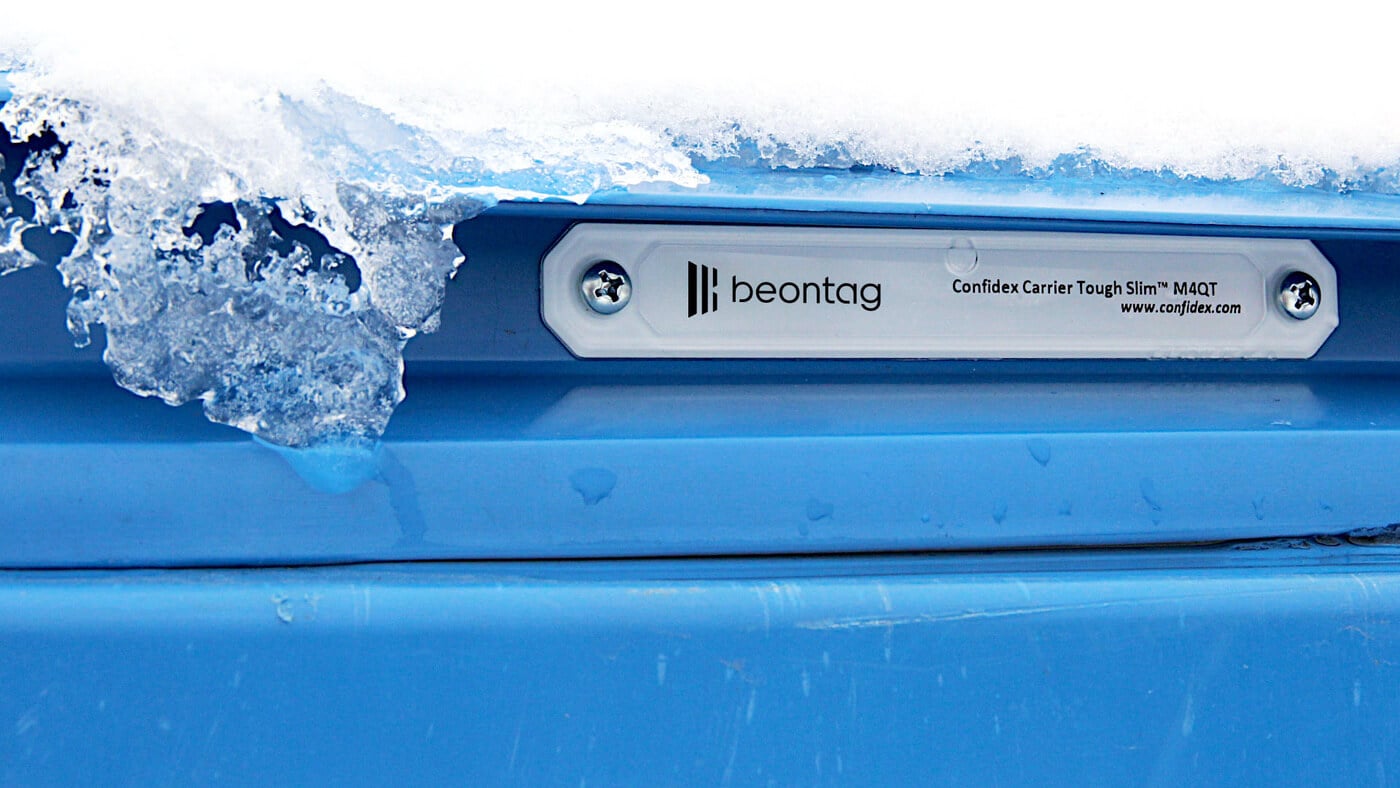
Carrier Tough Slim – Durable UHF RFID Hard Tag for Industrial Asset Tracking

UHF RFID / Dimensions 122 x 18 x 2 mm

Designed for the harshest environments, Carrier Tough Slim provides you the robustness of hard tags with full personalization options.

See datasheet

Image without altline shape

RFID and NFC Tags & Inlays

Crosswave Neo – UHF RFID Tag with 360-Degree Readability Logistics and Supply Chain

UHF RFID / Antenna 46,5 x 72 mm

Unique dual-dipole behavior combined with performance of the latest IC generation. 360-degree readability offers reliable and fast logistics even in challenging environments.

See datasheet

Image without altline shape

Specialty RFID Labels

Cruiser Headlamp – Transparent UHF RFID Tag for Automotive and Vehicle Tracking

UHF RFID / Antenna 8,5 x 87 mm

Transparent and small Cruiser Headlamp label is an excellent choice for headlamp use in cars and motorcycles. All its materials are tested against chemicals, high temperatures and UV light. Its infrared protection guarantees optimal performance.

See datasheet

Image without altline shape

Specialty RFID Labels

Cruiser Windshield Crypto – UHF RFID Tag with Encryption for Vehicle Identification

UHF RFID / Antenna 11 x 93 mm

Cruiser Windshield Crypto label enables fast and secure transactions with its encryption feature. The data encryption prevents frauds while the IC's fast readability is maintained at the same time. Long reading distance and durable materials make sure traffic flow is not interrupted.

See datasheet

Image without altline shape

Specialty RFID Labels

Cruiser Windshield – Tamper-Evident UHF RFID Label for Fast Vehicle Identification

UHF RFID / Antenna 88 x 20 mm

Cruiser Windshield label offers full customization and encoding options with tamper-evident security. The label is especially designed for fast and reliable vehicle identification.

See datasheet

Image without altline shape

Specialty RFID Labels

Eclipse – Compact NFC RFID Tag for Retail and Anti-Counterfeiting

NFC / Antenna 21,75 x 11,85 mm

Eclipse are compact tags designed to meet the specific demands of retailers. The small size makes them the ideal choice for retail and apparel applications that leverage NFC technology for customer experience, authentication, and anti-counterfeiting applications. These tags come with additional protection features such as memory with security mechanisms and 3 pass mutual authenticarion process, to ensure privacy of users' data during interactions

See datasheet

Image without altline shape

RFID Sustainable Products

RFID and NFC Tags & Inlays

ECO Bale - Sustainable UHF RFID Tag for Pulp Bales

UHF RFID / Antenna 94 x 24 mm

ECO Bale is designed and optimized for tagging pulp bales and complies with the special requirements of the pulping process. ECO Bale enables end-to-end traceability until the bale, with the tag included, enters the papermaking process and dissolves.

See datasheet

Labeling trends are not driven by aesthetics or cost efficiency only. They now reflect broader shifts in sustainability, digitalization, automation, and regulatory pressure. As labels become more functional and integrated into packaging strategies, pressure-sensitive adhesives must evolve to meet new technical and environmental expectations. 

Many companies still underestimate how deeply labeling trends influence adhesive performance requirements. Adhesives are expected to bond to complex substrates, survive extreme conditions, and support recycling systems, all while enabling faster production and smarter identification. This growing complexity creates both risks and opportunities for material innovation. 

The following sections we’ll explore the trends, challenges, and solutions redefining PSA development, helping readers navigate what comes next and continue exploring this evolving landscape.

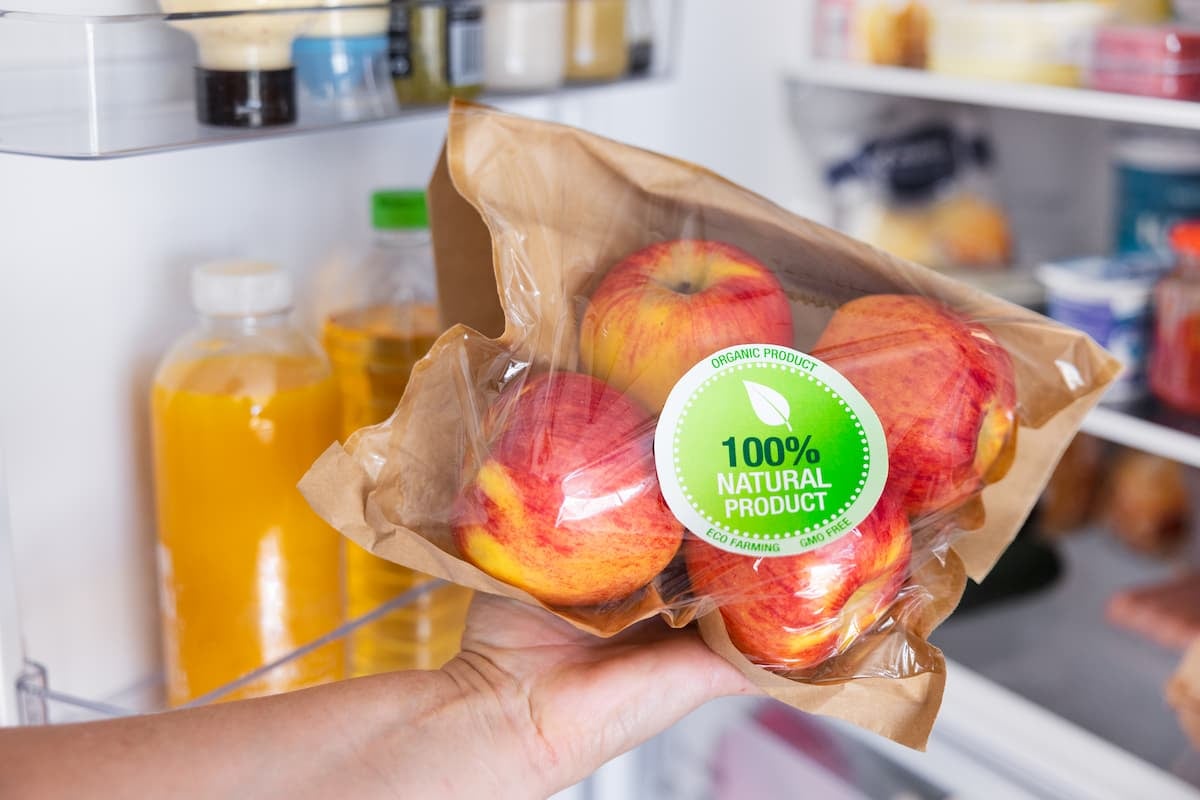
Hand holding a bag of apples with a “100% natural product” sticker inside a refrigerator, highlighting labeling trends in food packaging and consumer transparency.

Which labeling trends will matter most in 2026? 

The labeling trends for 2026 reflect a convergence of sustainability goals, operational efficiency, and digital transformation. Pressure-sensitive adhesives sit at the center of this evolution, as they directly influence recyclability, automation compatibility, and label performance across industries. 

These trends are not isolated and understanding how these forces interact is essential for anticipating future PSA requirements. Below we explain the key labeling trends expected to shape adhesive innovation and selection strategies as the global label market continues to grow and diversify across markets. 

Circular packaging 

Circular packaging is one of the most influential labeling trends shaping adhesive development. Labels must now support recycling, reuse, or recovery systems without contaminating material streams or compromising package integrity during use. 

Pressure-sensitive adhesives play a critical role in enabling circularity, especially in wash-off and clean-removal systems. Adhesives must perform reliably during product life, then disengage efficiently during recycling processes. 

As circular models expand globally, adhesive materials are being redesigned to align with recycling guidelines, reinforcing the strategic importance of PSA innovation within sustainable labeling systems. 

Cleaner chemistry 

Cleaner chemistry reflects the demand for safer, more transparent material formulations. Labeling trends increasingly favor adhesives with reduced hazardous substances, improved regulatory compliance, and lower environmental impact. 

This shift affects raw material selection, formulation methods, and traceability requirements. Adhesives must meet stricter standards without sacrificing performance across temperature, humidity, or chemical exposure. 

Cleaner chemistry is not only a regulatory response but also a trust-building mechanism, supporting brands seeking safer, more responsible labeling solutions across global markets. 

Waste reduction 

Waste reduction drives labeling trends focused on material efficiency, downgauging, and process optimization. Adhesives must enable thinner constructions while maintaining bond strength and durability. 

Production waste is also under scrutiny. Adhesives compatible with high-speed automation and consistent coating help reduce rejections, downtime, and material loss during converting and application. 

As waste reduction becomes a measurable KPI, PSA performance is evaluated not only in use but across the entire value chain, from manufacturing to end-of-life. 

Smart identification 

Smart identification continues to expand through RFID, variable data printing, and traceability solutions. Adhesives must support these technologies without interfering with signal performance or data readability. 

Labels carrying smart components often face longer lifecycles and more demanding environments. Adhesives must ensure dimensional stability, consistent adhesion, and resistance to handling and friction. 

This trend reinforces the role of adhesives as enablers of connected packaging, where reliability and precision are non-negotiable. 

Variable data 

Variable data labeling accelerates due to personalization, compliance, and logistics demands. Labels increasingly carry unique information, requiring consistent placement and adhesion accuracy. 

Pressure-sensitive adhesives must perform uniformly across high-mix, low-volume runs without causing misalignment or application errors at speed. 

As labeling trends move toward mass customization, adhesive consistency becomes a critical factor in maintaining efficiency and data integrity. 

High-speed automation 

High-speed automation is reshaping labeling operations globally. Adhesives must perform reliably at faster line speeds, with controlled track, shear resistance, and clean release behavior. Automation amplifies even small adhesive inconsistencies, making material quality and formulation stability essential. 

Adhesives that support process reliability directly impact productivity and cost control. This trend highlights why PSA selection is increasingly strategic rather than purely technical. 

How is sustainability changing label design priorities? 

Sustainability has moved from a differentiator to a baseline expectation in label design. Labeling trends now prioritize compatibility with recycling systems, material reduction, and responsible sourcing. 

Designers and engineers must collaborate earlier to ensure adhesives align with sustainability goals without compromising functionality. Adhesive performance is no longer evaluated independently from environmental impact, although it is very important. 

As sustainability metrics become standardized, adhesives are increasingly assessed based on their contribution to circularity, compliance, and overall packaging performance. 

Check out Beontag’s sustainable products for Graphic and Label Materials. 

Why is “design for recyclability” becoming the new baseline? 

Design for recyclability is becoming a baseline because labeling trends increasingly treat packaging as an integrated system rather than separate components. Labels and pressure-sensitive adhesives must now support recycling efficiency from the start, ensuring materials perform during use while allowing clean processing at end of life. 

  • Regulatory pressure and industry standards 
    New regulations and recycling guidelines require labels and adhesives to meet defined recyclability criteria, reducing the risk of material rejection in recycling streams.
  • Protection of recycled material quality 
    Adhesives that contaminate or discolor recycled plastics reduce material value, making clean removal and wash-off performance essential.
  • Consumer and brand accountability 
    Brands are expected to demonstrate real recyclability, not just claims, increasing scrutiny on label and adhesive choices.
  • Rise of mono-material packaging 
    Simplified packaging structures demand compatible labels and adhesives that do not disrupt recycling processes.
  • Recyclability as a starting point, not a feature 
    Adhesive selection now begins with recyclability requirements, shaping design decisions early in the packaging development process. 

How do wash-off adhesive systems support a circular future? 

Wash-off adhesive systems support a circular future by allowing labels to detach cleanly during recycling processes, especially in PET streams. These systems ensure that labels remain firmly attached during product use but release efficiently under controlled washing conditions, preserving material quality and enabling higher recycling yields aligned with evolving labeling trends. 

By preventing adhesive residue, discoloration, or contamination, wash-off systems improve the purity of recycled plastics. This is increasingly critical as recyclers demand cleaner input materials. Labeling trends focused on circular packaging now require adhesives to actively contribute to recyclability, rather than simply avoiding interference with recycling operations. 

An example of this approach is Beontag’s PET wash-off adhesive, which received APR Design® Recognition for meeting critical recycling criteria. This recognition highlights how pressure-sensitive adhesive materials can combine reliable label performance with proven compatibility in PET recycling processes, reinforcing wash-off systems as a practical solution for circular packaging models. 

What packaging formats are driving new PSA performance needs? 

Packaging innovation continues to challenge traditional adhesive assumptions. New formats demand adhesives capable of bonding to diverse surfaces while maintaining durability and process efficiency. 

The latest labeling trends increasingly reflect the complexity of modern packaging, because flexibility and protection requirements intersect. 

Here are key packaging formats that will influence the next generation of pressure-sensitive adhesive performance expectations. 

Low-energy plastics 

Low-energy plastics such as PE and PP remain challenging substrates. Adhesives must be engineered to achieve sufficient wetting and long-term adhesion. 

As these materials dominate lightweight and flexible packaging, PSA innovation focuses on reliability without excessive material use. 

This trend reinforces the need for specialized adhesive formulations aligned with evolving packaging materials. 

Textured surfaces 

Textured and embossed surfaces enhance shelf appeal but complicate adhesion. Labels must conform without lifting or visual defects. 

Adhesives require optimized flow and cohesion to maintain contact across uneven substrates. 

Labeling trends favoring tactile packaging directly influence adhesive rheology and performance design. 

Refillable packs 

Refillable packaging introduces repeated handling, cleaning, and reuse cycles. Adhesives must endure these processes or allow controlled label removal. 

This format challenges traditional permanence assumptions and encourages innovation in removability and durability balance. 

Refill models highlight the growing complexity of adhesive requirements in circular systems. 

Cold-chain labels 

Cold-chain logistics demand adhesives that perform at low temperatures and resist condensation. Failure in these environments can compromise traceability and safety. 

Adhesives must maintain track and shear resistance during refrigeration and freezing. 

As temperature-controlled supply chains expand, cold performance becomes a standard PSA requirement. 

Chemical exposure 

Labels exposed to oils, solvents, or cleaning agents require adhesives with enhanced chemical resistance. 

Industrial, automotive, and healthcare applications increasingly test adhesive limits. 

This trend underscores the need for material expertise when selecting PSAs for demanding environments. 

How is e-commerce changing labeling requirements? 

E-commerce is reshaping labeling trends by exposing labels to longer, more complex logistics journeys than traditional retail. Packages face repeated handling, automated sorting, friction, and variable environmental conditions, requiring pressure-sensitive adhesives that deliver consistent adhesion, durability, and label integrity from fulfillment centers to last-mile delivery. 

Another major impact of e-commerce on labeling trends is the increased need for reliability in identification and tracking. Shipping labels must remain securely attached and readable despite abrasion, compression, and temperature changes, as label failure can disrupt logistics flows, delay deliveries, and negatively affect customer experience and operational efficiency. 

E-commerce also accelerates the use of variable data, returns processing, and reverse logistics. Labels must support data clarity throughout multiple touchpoints, including delivery and potential returns. As a result, adhesive selection increasingly focuses on balancing strong adhesion, clean appearance, and compatibility with sustainability goals shaping modern labeling trends. 

How are “clean alternatives” reshaping direct thermal labels? 

Clean alternatives are transforming direct thermal labeling, driven by safety, compliance, and sustainability concerns. Adhesives must align with these evolving material standards. This shift impacts not only face materials but also adhesive compatibility and long-term performance. 

Below are the key clean-alternative drivers influencing PSA development for direct thermal labels. 

Phenol-free papers 

Phenol-free papers respond to health and regulatory concerns. Adhesives must bond effectively without compromising image quality or durability. Material compatibility is essential to maintain print performance and label integrity. This trend reinforces cross-material coordination in label construction. 

BPA and BPS-free 

BPA and BPS-free materials are becoming standard in many markets. Adhesives must support these alternatives without introducing new risks. Compliance and transparency drive material selection decisions. Adhesive formulations increasingly reflect this shift toward safer labeling systems. 

See more about Phenol-free Thermal Paper, BPA and BPS at Beontag’s blog. 

Image durability 

Direct thermal labels must retain legibility despite heat, light, and handling. Adhesives contribute indirectly by supporting stable constructions. Poor adhesion can accelerate image degradation. Durability remains a core performance requirement in clean-label systems. 

Handling safety 

Safer materials reduce risk for workers and consumers. Adhesives must align with handling and exposure standards. This trend emphasizes responsible material design across the label value chain. Safety considerations are now integral to PSA evaluation. 

Partner with Beontag for updated adhesive solutions 

These labeling trends are shaping the future for pressure-sensitive adhesives, and it demands deep material expertise, long-term vision, and application-specific knowledge. Adhesives are no longer passive components but active enablers of sustainability, automation, and performance. 

Beontag supports this evolution by developing advanced adhesive materials designxed to meet labeling challenges across industries and applications. With a focus on pressure-sensitive adhesive technologies, Beontag contributes to reliable, future-ready label solutions. 

Learn more about Beontag’s adhesive materials portfolio and contact our team for tailored solutions. 

Blueberry jam jar with modern product label next to the headline “Rethink What’s Possible with Our GLM Solutions,” illustrating labeling trends in packaging design.

You may also like to see

Pharmaceutical production line with vaccine vials moving through an automated filling machine, featuring self-adhesive labels applied to each container for clear identification and traceability.line shape

RFID/IoT

GLM

What are self-adhesive (pressure-sensitive) labels and how do they work?

Last Updated 04/08/2026

Self-adhesive labels are label constructions that rely on pressure-sensitive adhesives to bond to su...

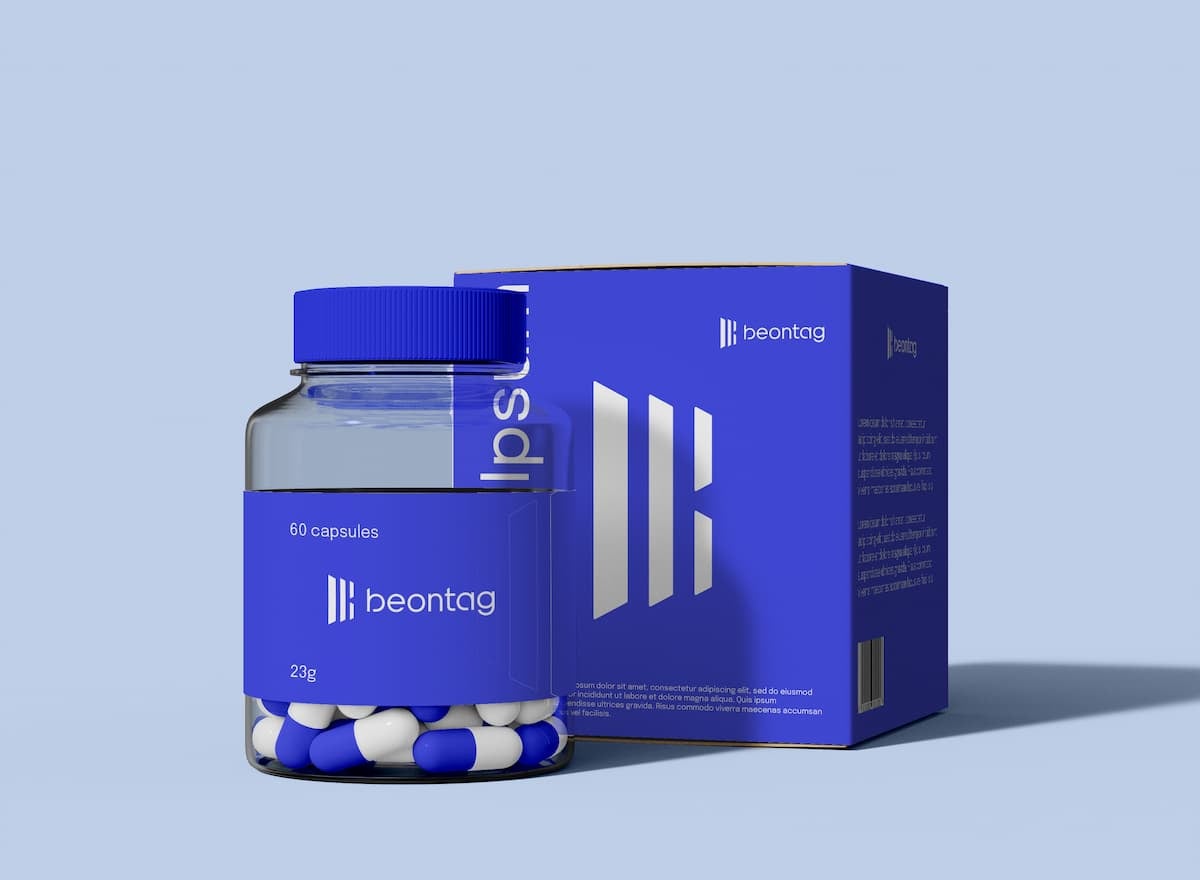
Blue capsule bottle and matching pharmaceutical box with self-adhesive labels, highlighting branded packaging for healthcare and supplement products.line shape

RFID/IoT

GLM

Self-Adhesive Labels for Pharmaceuticals: Compliance, Safety, and Tracking

Last Updated 03/31/2026

Self-Adhesive Labels for Pharmaceuticals must meet strict regulatory, safety, and traceability stand...

Close-up of a Beontag RAIN RFID hard tag mounted on a metal structure, showing an ID number and an electrical warning symbol.line shape

RFID/IoT

GLM

Understanding RFID Hard Tags: Function, Benefits, and Selection

Last Updated 03/04/2026

RFID hard tags are durable identifiers used to track, secure, and manage assets in demanding environ...

Pressure-sensitive adhesive how to choose: two cardboard shipping boxes with barcode labels and handling symbols on a clean studio background.line shape

RFID/IoT

GLM

How to Choose the Right Pressure-Sensitive Adhesive for Your Label Printing

Last Updated 02/24/2026

To choose the right pressure-sensitive adhesive for label printing you need to understand substrates...

RFID in retail store associate scanning packaged goods on a grocery shelf with a handheld scanner for real-time inventory accuracy.line shape

RFID/IoT

How RFID in retail works: From backroom blind spots to real-time shelf visibility

Last Updated 02/19/2026

RFID in retail refers to the use of radio frequency identification technology to track products auto...

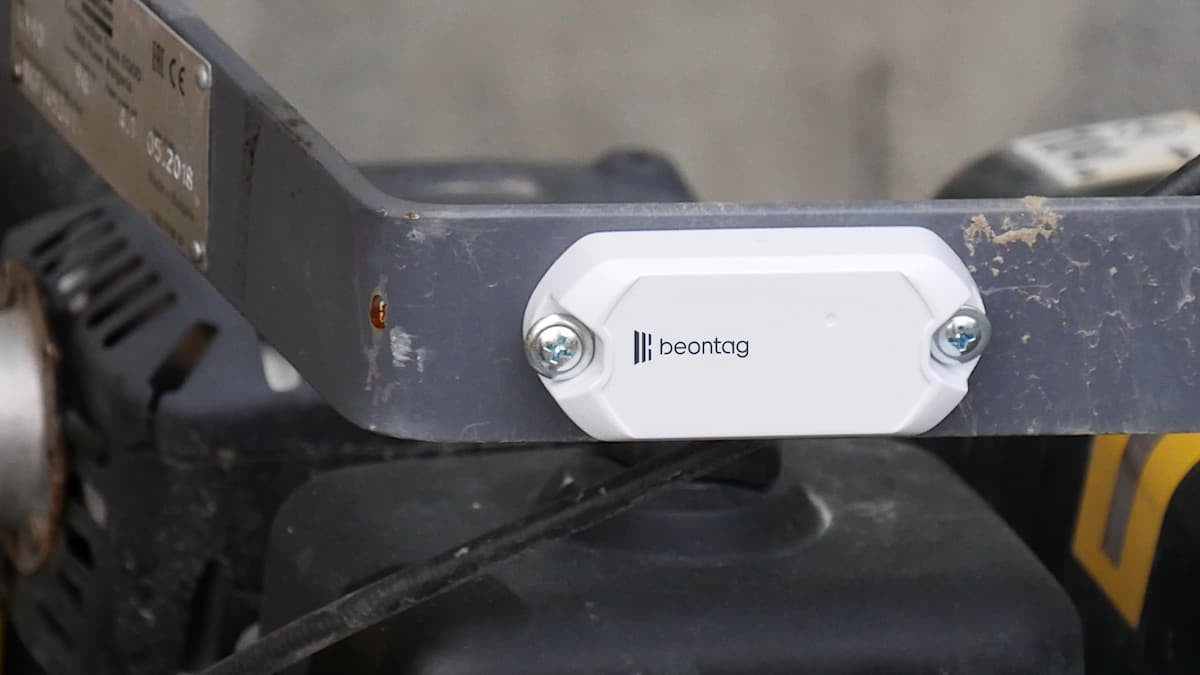
A close-up of a Beontag RFID hard tag mounted with screws on industrial equipment.line shape

RFID/IoT

RFID Labels vs Hard Tags: What’s the Difference and Which Should You Choose?

Last Updated 02/10/2026

RFID labels are ideal for high-volume, low-cost tracking thanks to their flexibility and easy applic...

Amber dropper bottle with a blue label resting on a wooden board against a pink background with shadow lines.line shape

GLM

Hot Melt vs. Water-Based Adhesives: Which Is Right for Your Labels?

Last Updated 02/04/2026

Hot melt and water-based adhesives serve different label needs depending on performance, environment...

Car windshield with an RFID tag near the A-pillar, illustrating rfid read range for vehicle identification and access control.line shape

RFID/IoT

What Really Affects RFID Read Range - and How to Improve It

Last Updated 01/26/2026

RFID read range is the maximum distance at which a tag can be detected by a reader. Keep reading to ...

Woman in business attire at a supermarket self-checkout, holding an orange product package and looking at it beside payment terminals.line shape

RFID/IoT

What RFID trends will shape retail, industry, and cities in 2026?

Last Updated 01/27/2026

RFID trends for 2026 are item-level visibility, digital product passports, automated experiences, sm...

Glass-front convention center with flags and taxis outside, representing the venue and atmosphere of NRF 2026.line shape

RFID/IoT

GLM

NRF 2026: How Beontag and Temera Are Leveling Up the Retail Experience

Last Updated 01/22/2026

NRF 2026 is the world’s leading retail innovation event, and Beontag will be there with Temera to sh...

Beontag logo sticker on a white vehicle door, illustrating pressure-sensitive-adhesive labeling.line shape

GLM

Understanding Pressure-Sensitive Adhesives: Properties, Types, and Uses

Last Updated 01/20/2026

Pressure-sensitive adhesives are versatile bonding materials activated by light pressure. Explore ho...

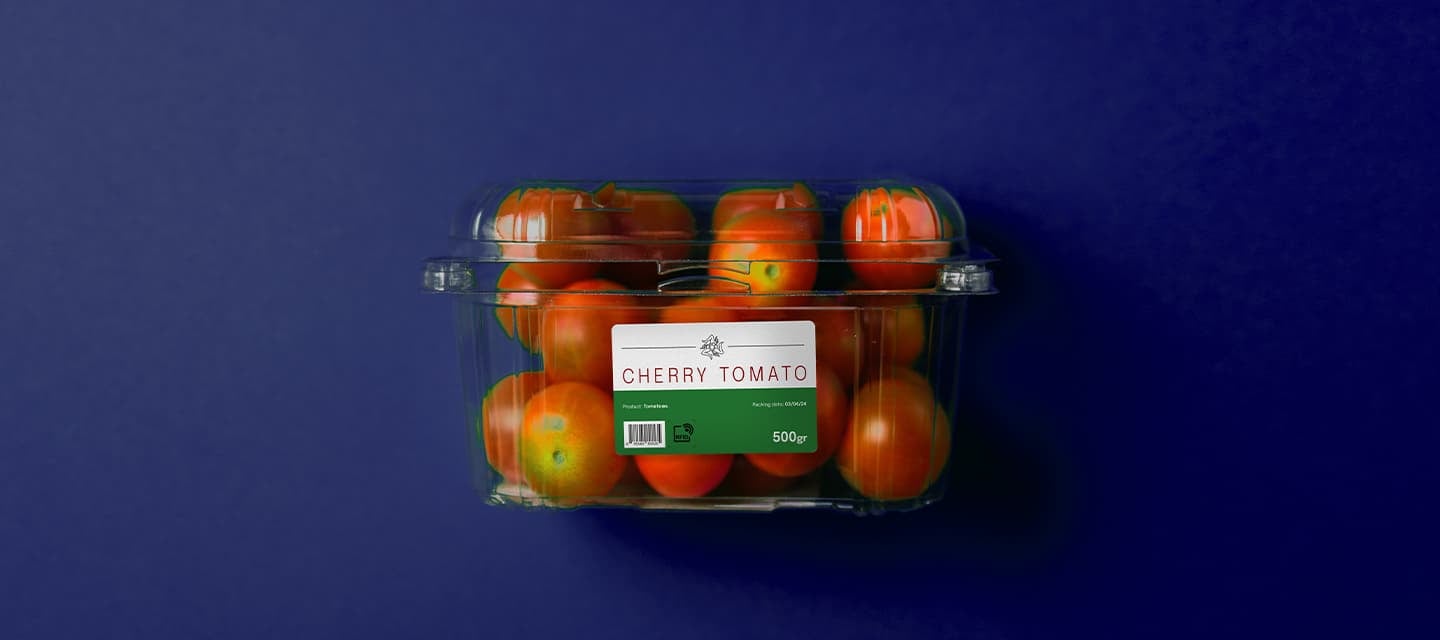
Cherry tomato packaging with a clear container and product sticker, illustrating types of self adhesive labels used in fresh food packaging.line shape

GLM

Types of Self-Adhesive Labels: Comparing Paper, Film, and Hybrid Constructions

Last Updated 01/13/2026

The three main types of self-adhesive labels are paper, film, and hybrid. Paper offers versatility a...