What are self-adhesive (pressure-sensitive) labels and how do they work?

Subscribe to our newsletter!Stay up to date, subscribe to our newsletter!
SubscribeRFID labels are ideal for high-volume, low-cost tracking thanks to their flexibility and easy application, while hard tags are chosen for long-term asset identification because of their durability, reusability, and resistance in harsh environments. Check out more details.


Navigating the complex world of modern inventory management requires a deep understanding of the hardware that powers automation. Selecting the correct identification device is not merely a technical detail; it is a strategic decision that affects the entire supply chain. Companies often find themselves comparing RFID labels vs hard tags for various projects.
Implementing the wrong tracking solution can lead to significant operational failures and wasted financial resources within a large organization. When environmental factors like metal interference or extreme moisture are ignored, signal quality suffers immensely. This mismatch creates data gaps that prevent real-time visibility and hinder the potential return on investment for digital systems.
Understanding the practical differences between RFID labels and hard tags is essential to minimize operational risks and improve system performance. In projects across industrial and retail settings, Beontag applies this perspective to solutions designed for different environmental and durability demands. Keep reading to understand more about the main technical distinctions to clarify how each technology aligns with specific operational needs.
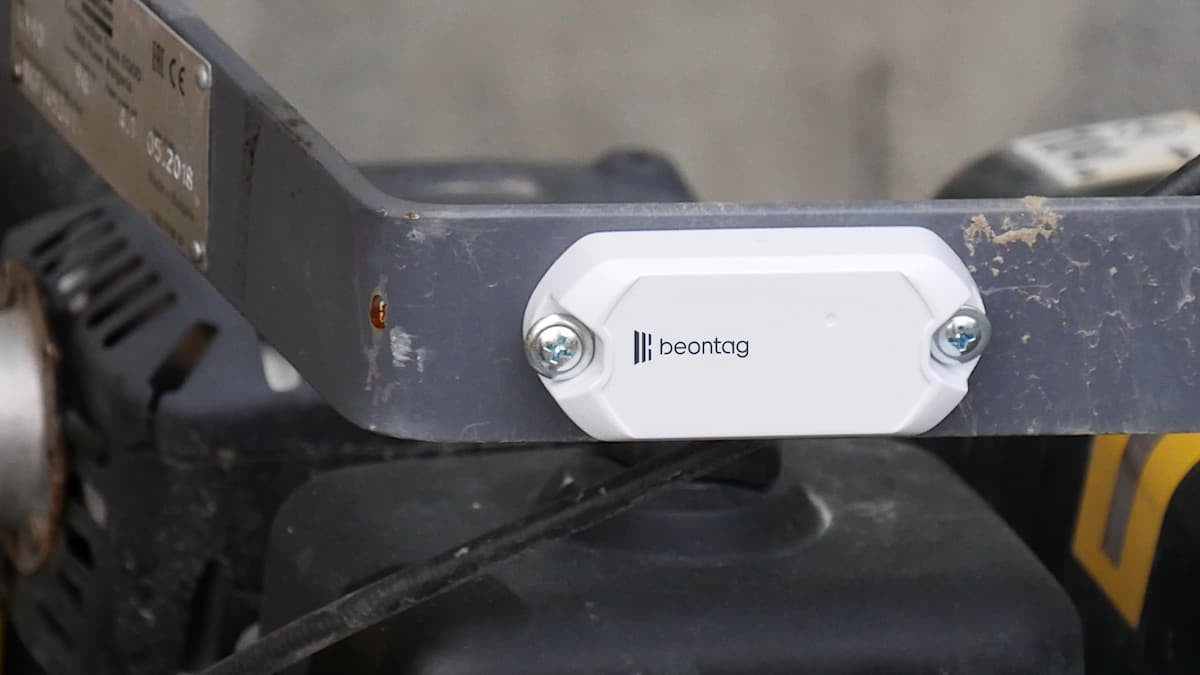
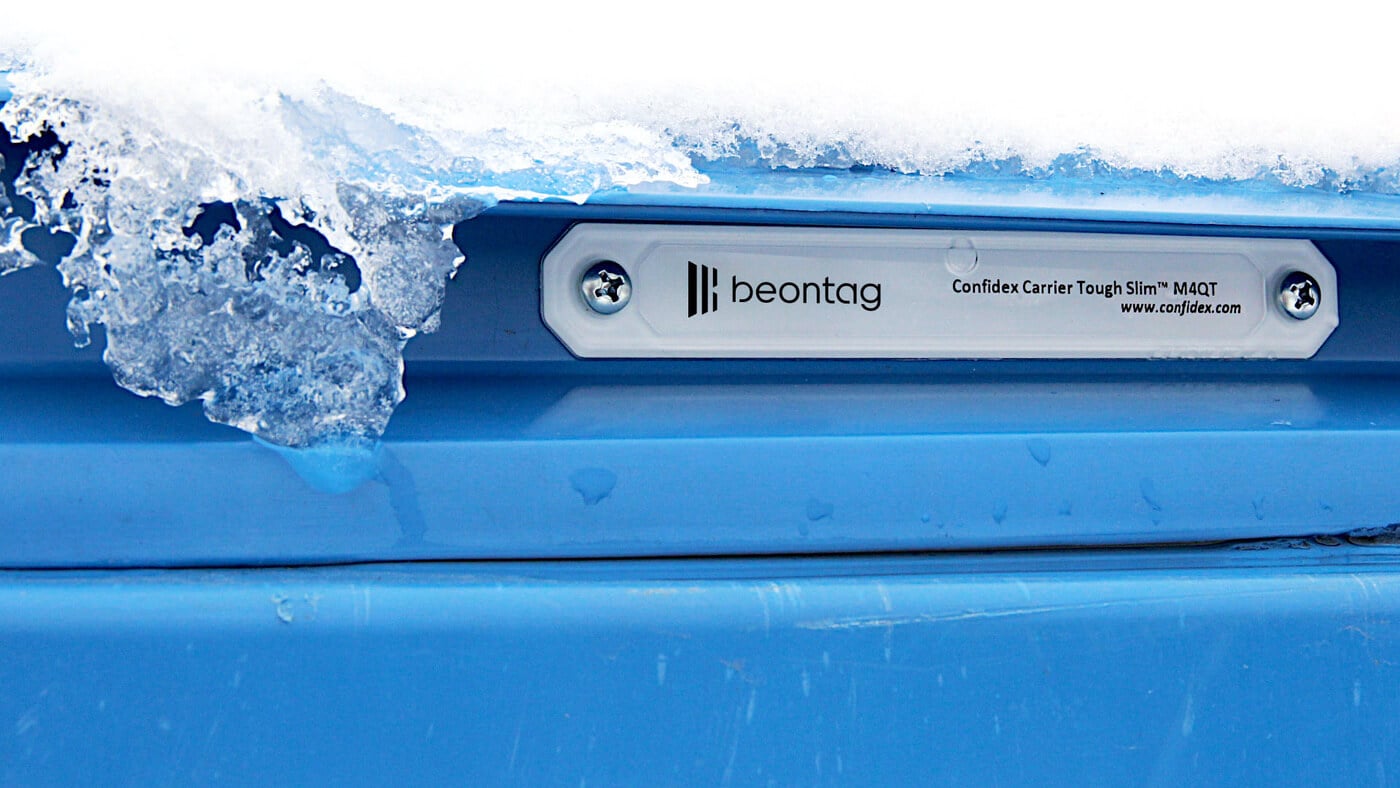
Hard tags represent the most durable segment of the identification market, specifically engineered to survive hard conditions like weather, temperature and etc. These devices are typically encased in high-impact plastic, or specialized resins to protect the delicate internal chip. They are the go-to choice for heavy industry and long-term asset management.
An RFID hard tag is an identification device encapsulated within a rigid, protective housing that shields the internal antenna and chip. Unlike their thin counterparts, these tags are built to withstand physical impacts, high pressure, and chemical exposure. They offer a physical robustness that is essential for tracking assets in the field.
These tags are often designed with specialized mounting holes or industrial-strength adhesives to ensure they remain attached to equipment for years. The encapsulation process allows the tag to function reliably even when submerged in liquids or exposed to extreme sunlight. This makes them indispensable for outdoor use and heavy-duty manufacturing environments globally.
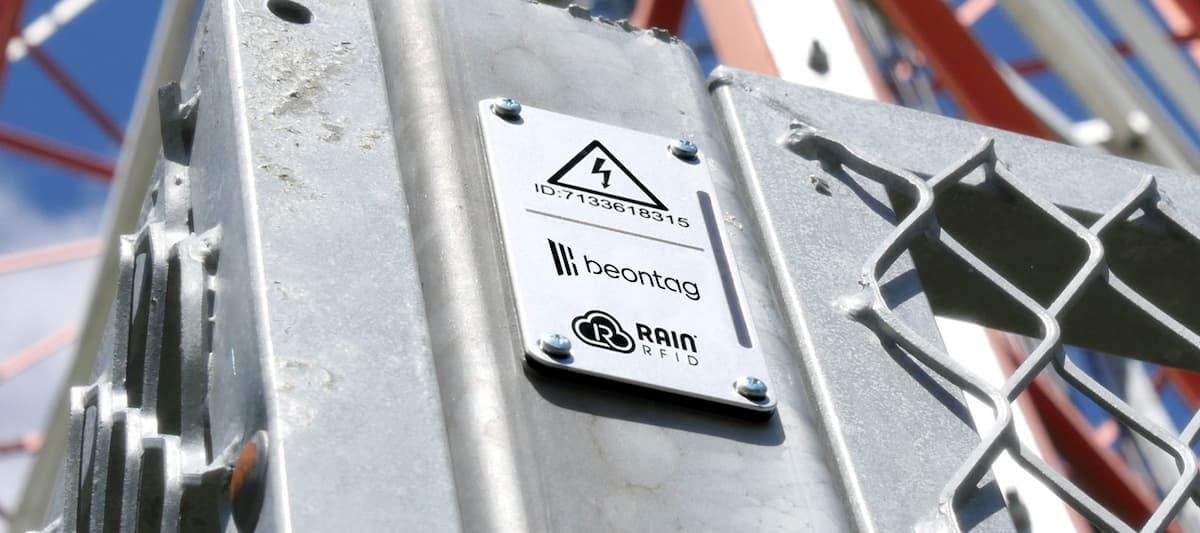
Beontag designs hard tags like the Ironside family to provide exceptional read ranges even when mounted directly onto metallic surfaces. By using specialized spacers and materials, these tags overcome the physics of radio wave reflection that usually plagues RFID technology. They provide a permanent digital identity for high-value assets across diverse global industries.
In RFID Labels vs Hard Tags analysis, hard tags offer clear strengths alongside practical limitations. They excel in durability, reusability, and stability, but involve higher unit costs and installation effort. Understanding these trade-offs ensures hard tags are applied where their advantages truly justify the investment.
| Feature | Pros of Hard Tags | Cons of Hard Tags |
| Durability | Extreme resistance to impact and chemicals. | Can be bulky or heavy for small items. |
| On-Metal Use | Optimized for metallic surfaces and machinery. | Higher unit cost compared to labels. |
| Lifespan | Lasts for years; often reusable. | Depending of application specification, may require physical mounting (screws/rivets). |
| Environment | Operates in extreme heat or sub-zero temps. | Limited flexibility for curved surfaces. |
Comparing pros and cons within RFID Labels vs Hard Tags highlights that hard tags are not universally superior. They are optimized for scenarios where longevity, resistance, and consistent performance outweigh concerns about cost, size, or rapid deployment across high-value items.
Typical applications help clarify RFID Labels vs Hard Tags decisions. Hard tags are widely used in asset tracking, returnable transport items, industrial containers, and equipment management. Their physical resilience supports repeated circulation across supply chains without compromising identification accuracy.
In logistics and manufacturing, hard tags track pallets, bins, metal assets, and tools. Within this comparison context, they both perform reliably on challenging surfaces and in environments with vibration, dirt, or outdoor exposure, where standard labels may fail prematurely.
Beontag’s RFID hard tag solutions support use cases across automotive, industrial, and logistics operations. These applications demonstrate how selecting hard tags aligns technology investment with operational demands, reinforcing accurate data capture throughout extended asset lifecycles.
Check out some of Beontag’s cases using RFID Hard Tags:
Intermediate Bulk Containers are being identified with RFID at Goodpack
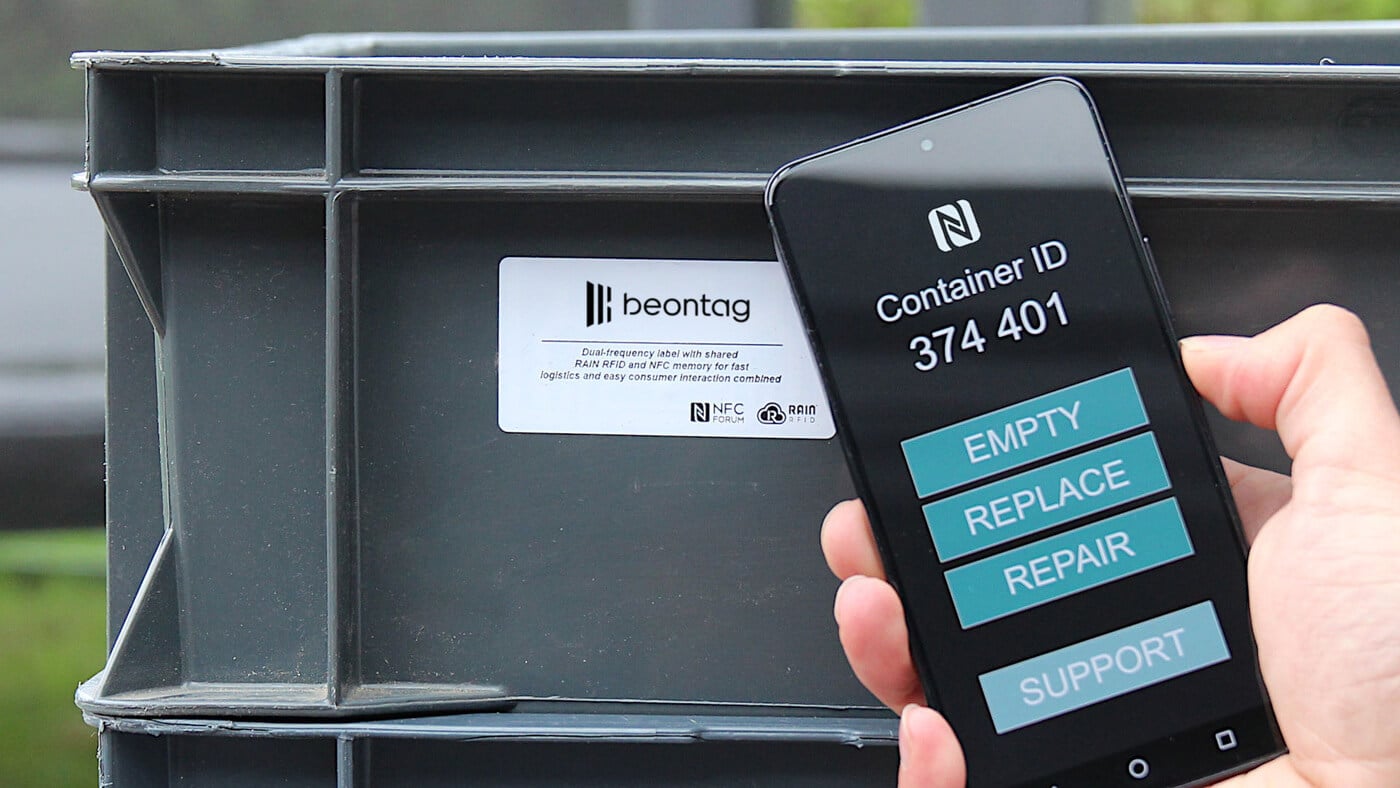
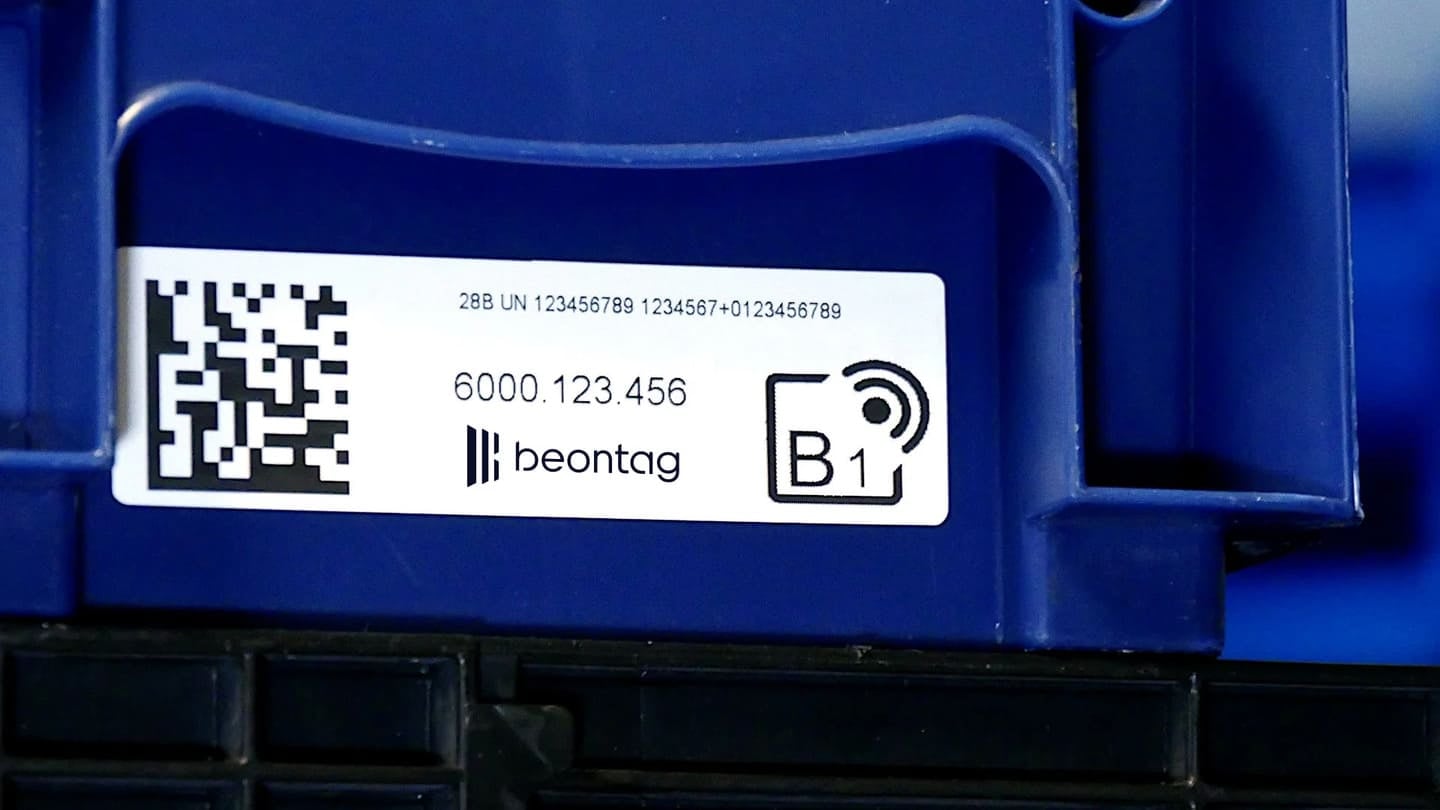
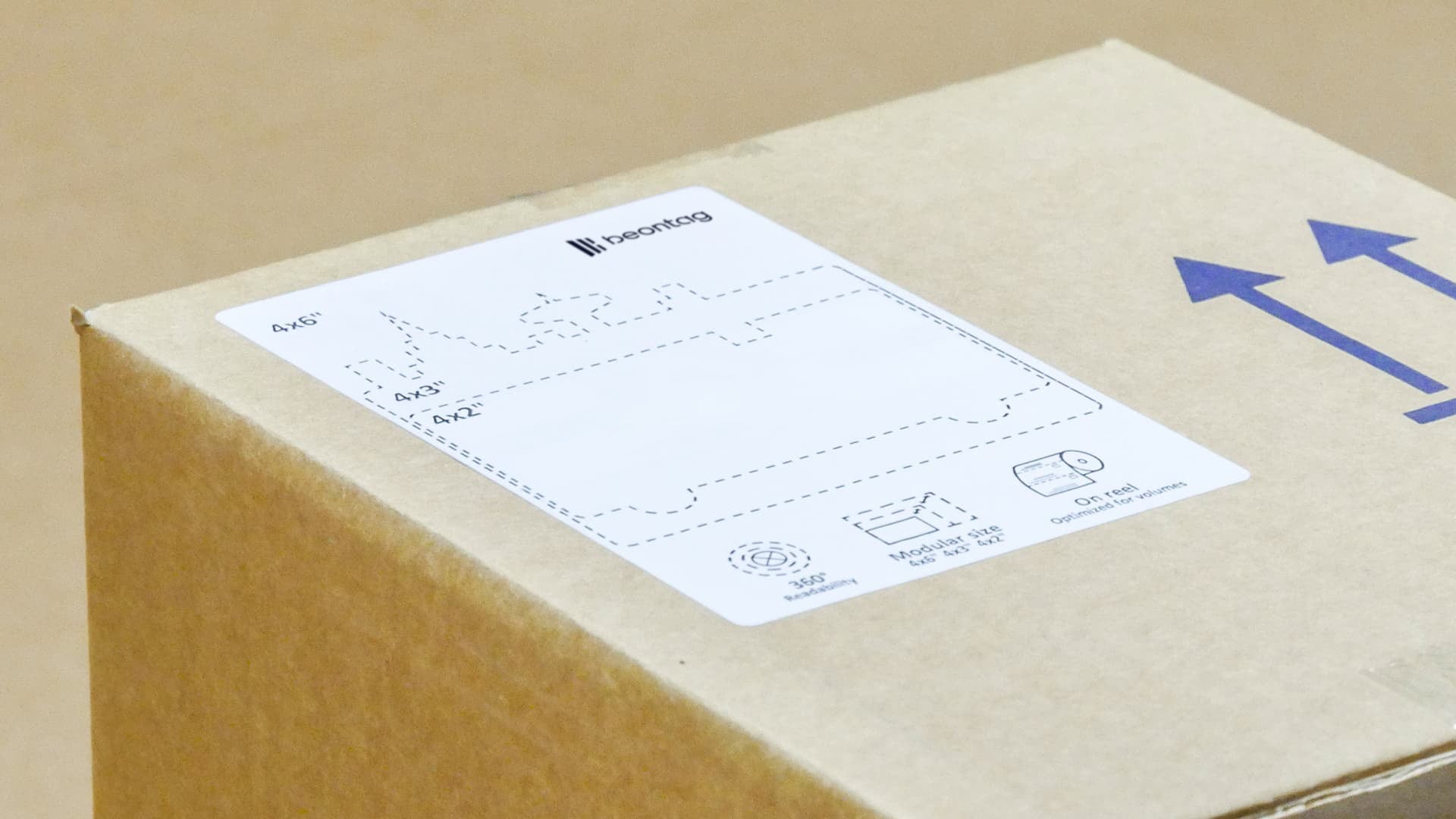
RFID Labels vs Hard Tags comparisons also require a clear understanding of their differences. RFID labels are the workhorses of the retail and logistics industries, providing a low-profile and cost-effective way to digitize inventory. These labels consist of a thin inlay sandwiched between a facestock and a liner with adhesive. They are designed for high-volume applications where speed and efficiency are paramount.
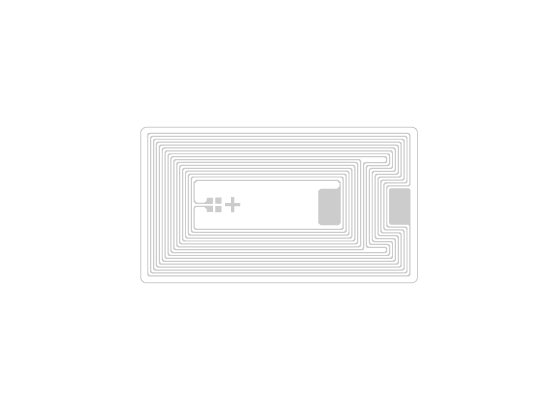
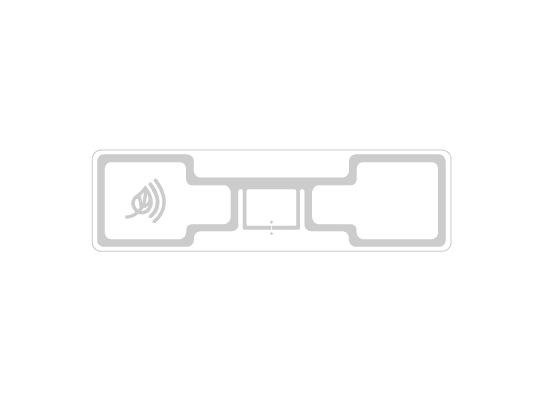
RFID labels are thin, flexible identification stickers that can be easily applied to boxes, garments, and various consumer-packaged goods. They contain a microchip and a printed or etched antenna, allowing them to communicate with readers from a distance.
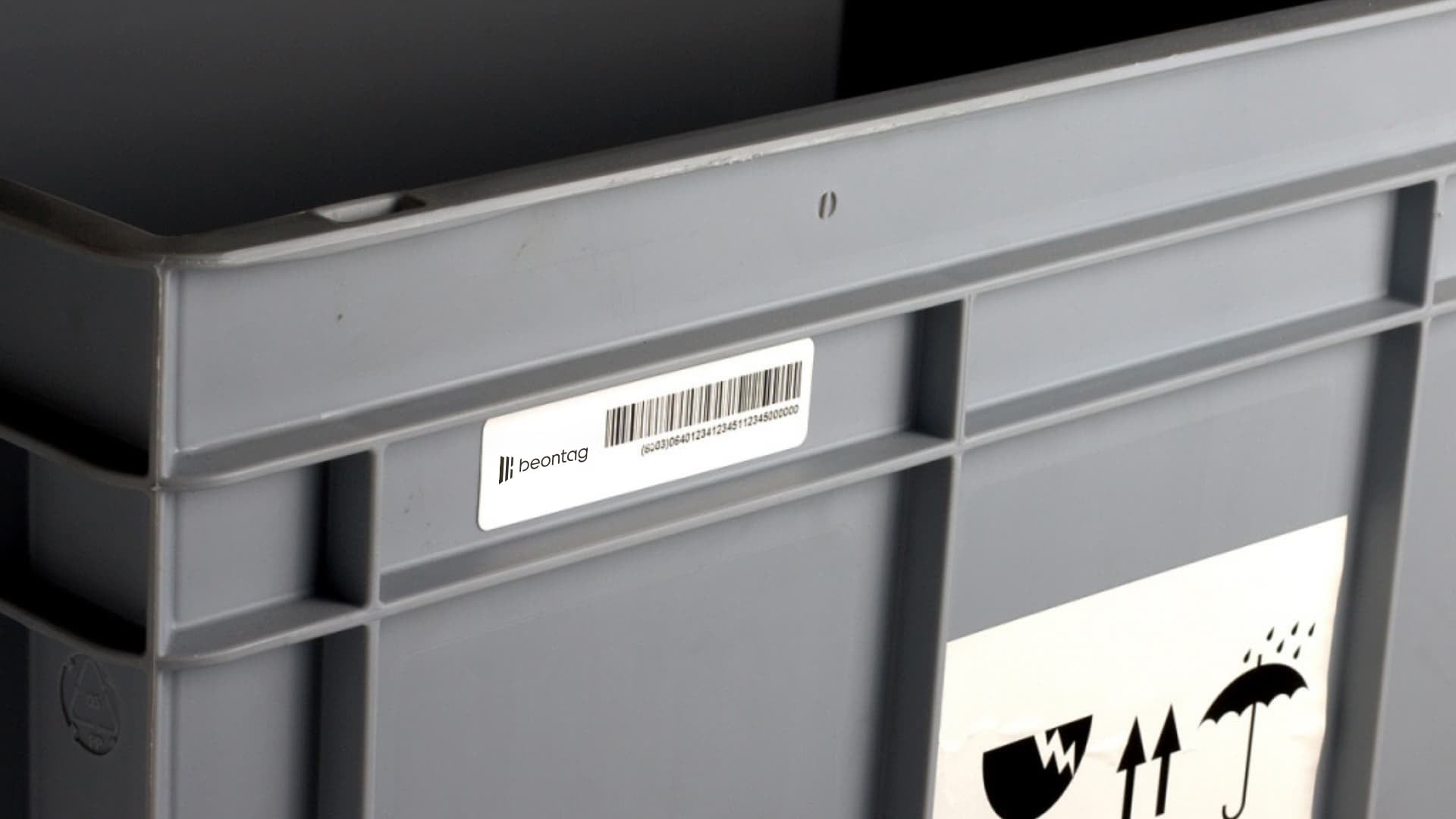
Their slim profile makes them almost indistinguishable from traditional printed barcode labels. One of the greatest strengths of these labels is their ability to be printed and encoded simultaneously using standard industrial printers. This allows companies to add human-readable text and barcodes alongside the digital RFID data in one step.
When analyzing RFID Labels vs Hard Tags, RFID labels offer efficiency and scalability balanced against environmental sensitivity. They are cost-effective and flexible, but less resistant than hard tags. Understanding these characteristics ensures realistic expectations about performance and lifecycle.
| Feature | Pros of RFID Labels | Cons of RFID Labels |
| Cost | Very inexpensive; ideal for high volumes. | Can be damaged by hard conditions. |
| Application | Easy "peel and stick" or automated application. | Lower performance on metal or liquid surfaces. |
| Versatility | It can be printed with barcodes and text. | Shorter lifespan; usually for one-time use. |
| Form Factor | Thin, flexible, and fits on almost anything. | Not suitable for extreme industrial environments. |
This comparison reinforces that RFID Labels vs Hard Tags is about contextual fit. RFID labels excel where speed, volume, and cost efficiency matter most, while accepting trade-offs in robustness and reusability compared to hard tag solutions.
The fashion and apparel industry is perhaps the largest user of RFID labels for inventory accuracy and loss prevention. Brands use Beontag’s high-performance inlays to track garments from the factory to the store floor, ensuring that sizes are always in stock. This real-time visibility has been proven to significantly boost sales and customer satisfaction.
In the world of logistics and e-commerce, RFID labels are applied to shipping cartons to automate sorting and tracking in warehouses. This eliminates the need for line-of-sight scanning, allowing thousands of packages to be processed every hour with minimal human intervention. Beontag’s labels provide the reliability needed to keep global commerce moving smoothly.
Pharmaceutical companies utilize specialized RFID labels to track medication bottles and ensure the authenticity of their products throughout the supply chain. These labels help prevent counterfeiting and allow for rapid recalls if a specific batch of medicine is found to be defective. Their small size allows for discreet integration into existing packaging.
Check out some of Beontag’s cases using RFID Tags:
Revolutionizing Luxury Fragrance with RFID Technology at Culti Milano
Bulgari– NFC & t!Journey Platform for an exclusive experience in Luxury World
RFID Powers Fully Automated Grocery Store with No Onsite Staff
Understanding the core differences between RFID labels vs hard tags is essential for any project manager looking to optimize their tracking system. While both use the same basic radio frequency technology, their physical construction dictates where and how they can be used. It is a matter of matching hardware to the environment.
It is important to remember that it’s not a question of "which is better?" but rather "which is better for this use case?" A luxury watch might require a discreet label, while a steel shipping container absolutely requires a ruggedized hard tag. Beontag offers the expertise to help you navigate these specific hardware requirements.
| Feature | RFID Labels | RFID Hard Tags |
| Form Factor | Thin, flexible sticker/paper. | Rigid, thick plastic or ceramic housing. |
| Typical Use Cases | Retail, apparel, shipping boxes. | Industrial assets, machinery, containers. |
| Durability | Low; sensitive to moisture and tearing. | High; resistant to impact, heat, chemicals. |
| Mounting Method | Self-adhesive backing, hanging tag. | Screws, rivets, welding, or heavy glue. |
| Lifecycle | Disposable (Short-term). | Permanent or reusable (Long-term). |
This structured comparison reinforces that RFID Labels vs Hard Tags is about alignment. Selecting the right option ensures technology supports business goals instead of creating hidden inefficiencies.
Selecting the right tag is a multi-step process that requires a full view of your operational environment and business goals. Making an uninformed choice can lead to poor read rates or frequent tag failures, undermining the entire digital project. Throughout this guide you’ll learn how to evaluate your needs before making a final purchase.
First, you must clearly identify what you are tracking and for how long the tag needs to stay functional. If the item is a consumer product destined for a home, a disposable label is the logical and most economical choice. Short lifecycles favor the low cost and easy application of flexible RFID labels.
Conversely, if you are tracking a forklift or a high-value tool that will be in service for a decade, a hard tag is required. Consider whether the tag needs to be reused on different items throughout its life, as this can justify a higher initial cost. Defining the lifecycle early prevents overspending on unnecessary durability.
The material of the object you are tagging plays a massive role in signal performance and tag selection. Standard labels will struggle on metal surfaces because metal reflects radio waves, causing interference that prevents the reader from seeing the tag. For metallic assets, you must choose "on-metal" hard tags or specialty labels.
Environmental factors such as ambient temperature, humidity, and exposure to chemicals must also be carefully evaluated during the selection process. Will the tag be subjected to industrial ovens, outdoor rain, or high-pressure steam cleaning? Hard tags are designed for these extremes, providing a protective barrier that simple labels cannot offer in practice.
Performance requirements include the necessary reading range and the speed at which items must be identified by the system. If you need to read tags from across a large warehouse aisle, you may need a larger antenna which is found in a hard tag. Smaller labels typically have shorter reading ranges due to their size.
You must also consider the density of tagged items and the speed of the conveyor belt or vehicle passing the reader. High-speed environments require tags with chips that can respond quickly and handle anti-collision protocols efficiently. Setting these technical benchmarks ensures that your hardware can keep up with your operational pace.
While the unit price of RFID labels vs hard tags is a major factor, it should not be the only consideration. A cheap label that fails frequently will end up costing more in labor and lost data than a slightly more expensive, durable tag. You must calculate the total return on investment.
Consider the cost of installation, the price of potential data errors, and the savings generated by improved inventory accuracy over time. In some cases, a hard tag’s ability to be reused multiple times makes it cheaper than buying many disposable labels. A balanced approach to budgeting ensures the long-term sustainability of the project.
Before committing to a full-scale rollout, it is essential to conduct thorough pilot testing in the actual work environment. Lab results are a great starting point, but real-world conditions like electrical noise and physical obstructions can change performance. Testing a small batch of tags identifies potential issues early.
A pilot program allows you to test different mounting locations and orientations to find the optimal setup for the best-read rates. It also gives your staff a chance to interact with the hardware and provide feedback on the ease of use. This phase is crucial for fine-tuning the system before a major investment.
RFID labels are the better choice when scalability, speed, and cost efficiency are essential. In RFID Labels vs Hard Tags decisions, labels excel in high-volume operations where items move quickly and do not require long-term reuse. Their thin, flexible format enables seamless integration into existing packaging and labeling workflows.
Beontag cases in retail and consumer goods illustrate how RFID labels support item-level visibility, inventory accuracy, and omnichannel fulfillment. Within RFID scenarios, labels allow large-scale deployment without altering product design, helping brands improve stock availability, reduce manual counts, and enhance efficiency in store and distribution.
Logistics-focused cases also show RFID labels applied to cartons and pallets, enabling faster throughput and real-time tracking. In RFID Labels vs Hard Tags comparisons, labels prove ideal when traceability must scale across thousands or millions of units while keeping unit cost and operational complexity under control.
Hard tags are the better choice when assets must be tracked repeatedly over long lifecycles. In RFID Labels vs Hard Tags decisions, hard tags stand out in environments involving mechanical stress, outdoor exposure, or frequent handling, where standard adhesive labels would degrade or fail prematurely.
Beontag cases demonstrate hard tags used on returnable transport items, reusable containers, and industrial assets. Within this context, the applications benefit from rigid housing that protect the RFID components, ensuring consistent read performance across multiple circulation cycles and operational conditions.
Industrial and logistics environments further reinforce this choice. RFID Labels vs Hard Tags consistently favor hard tags when durability, resistance, and reusability directly impact data reliability, maintenance costs, and long-term return on investment for asset-intensive operations.
Choosing between RFID Labels and Hard Tags requires application-level expertise, not just product comparison. A specialist partner such as Beontag, can help you analyze surfaces, environments, lifecycles, and performance requirements to recommend solutions that work reliably beyond laboratory conditions.
Beontag also supports customers throughout design, testing, and validation stages, helping align RFID Labels vs Hard Tags decisions with real operational constraints. This guidance reduces deployment risk, avoids mismatched tag selection, and accelerates the transition from pilot projects to scalable RFID programs.
By focusing exclusively on RFID tags and labels, Beontag combines manufacturing expertise with practical knowledge. This specialization ensures that RFID Labels vs Hard Tags choices technically sound, operationally viable, and aligned with long-term business objectives.
RFID Labels vs Hard Tags decisions directly influence visibility, efficiency, and data accuracy across supply chains and operations. Selecting the right tag is not about trends, but about matching technology to real use cases, environments, and lifecycle expectations.
Beontag offers a full portfolio of RFID labels and hard tags engineered for diverse industries and applications. As specialists, we ensure performance, consistency, and scalability without distractions from unrelated technologies.
If you are ready to optimize your inventory accuracy or secure your industrial assets, our team is here to help you choose. Contact Beontag today and discover how our RFID solutions can transform your business operations.