Stay up to date, subscribe to our newsletter!

Subscribe
Customer Log in GLM
Beontag

Graphics and Label Materials

Graphics and Label Materials

A wide range of labeling, self-adhesive, special papers, and other graphic and label materials

Learn more - Graphics and Label Materials

Resources

Image without altDatasheetsImage without altBrochuresImage without altStock and Trim Free Guide

Categories

See all - Categories

Pressure-sensitive adhesive - Categories
Prime Papers - Prime PapersVariable Info - Variable InfoDigital Variable Info - Digital Variable InfoFilms - FilmsSpecialty Beverage - Specialty BeverageSpecialty Papers & Films - Specialty Papers & Films
Paper Grades - Paper GradesFluorescents & Astrobrights - Fluorescents & AstrobrightsSpecialty Grades - Specialty GradesFilms & Foils - Films & Foils
Transfer-adhesive - Transfer-adhesive
Release Liner - CategoriesSustainable Products - Categories

Applications

See all - Applications

Health and Beauty Product - CategoriesLabel Materials for Cannabis Products - CategoriesLumber and Outdoor Tag Material - CategoriesBumper Sticker Products - CategoriesTextile and Garment Labels - CategoriesTight Mandrel - CategoriesTosca RPC Approved Labels - CategoriesSmall Office & Home Office Applications - CategoriesFood Packaging Tamper-Evident Label Products - Categories

RFID and IoT Enablers

RFID and IoT Enablers

A wide range of IoT enablers and smart tags, such as RFID, NFC and BLE, to connect billions of items worldwide.

Learn more - RFID and IoT Enablers

Resources

Image without altBrochures

Categories

See all - Categories

RFID and NFC Tags & Inlays - CategoriesBLE Tags - CategoriesSpecialty Labels - CategoriesOn Metal Labels - CategoriesHard Tags - CategoriesSustainable Products - Categories

Applications

See all - Applications

Inventory Management - CategoriesLogistics and Supply Chain - CategoriesMass Market - CategoriesBeauty and Personal Care - CategoriesAutomotive - CategoriesPayments - CategoriesSmart Cities - Categories

Applications

Personal and Home CareFood and BeverageHealthcare and PharmaceuticalSupply Chain and LogisticsMass Market and RetailIndustrial and Durable GoodsElectronic and ElectricalSee all applications

About us

About usESGCertifications & RecognitionsCareers

Newsroom

CasesPress ReleasesBlogBrochuresWhitepapers
Contact Us
Subscribe
Customer Log in GLM
Beontag
Graphic and Label MaterialsRFID and Iot Enablers

Beontag

About usESGCareersCertificationsCompliancePrivacy Policy

Newsroom

CasesPress ReleasesBlogBrochuresContact us

© 2026 All rights reserved.
Ubistart

Background blue shapeBackground blue shape

Change country/region?

You're viewing our available portfolio for

Our portfolio may vary depending on your location. Please choose the region or country according to where you are.

Change my country/region

How to Choose the Right Pressure-Sensitive Adhesive for Your Label Printing

Trotwood - US |Beontag |24/02/2026

To choose the right pressure-sensitive adhesive for label printing you need to understand substrates, environments, performance needs, and compliance requirements to ensure durability, and efficiency.

Background blue shapeBackground blue shape rotate-180

Explore more products that may interest you

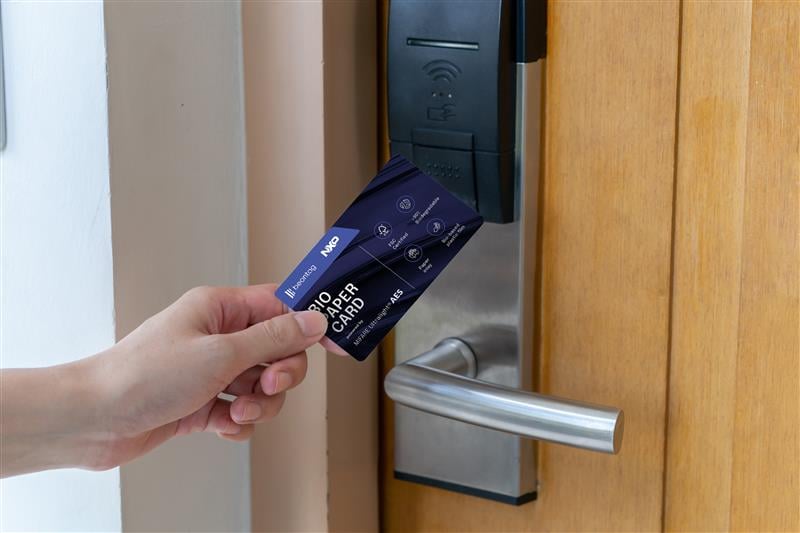
Paper card to access controlline shape

RFID Sustainable Products

Bio Paper Card – HF NFC Sustainable Key Card for Access & EV Charging

NFC / Dimensions 85,5 x 54mm

Beontag's Bio Paper Card is a sustainable, high-performance alternative for access control applications. This paper-based HF RFID card is ideal for limited-use tickets and key cards, offering a seamless user experience and reducing environmental impact compared to traditional plastic cards, while delivering the same levels of performance in terms of read range and reliability. Available also with NXP® Semiconductors MIFARE® DUOX for electric vehicle (EV) charging, ensuring security, quality and trust for authentication and payments at Charge Pint Operators (CPOs), E-Mobility Service Providers (EMSPs), and EVSE Equipment Providers.

See datasheet

Image without altline shape

Specialty RFID Labels

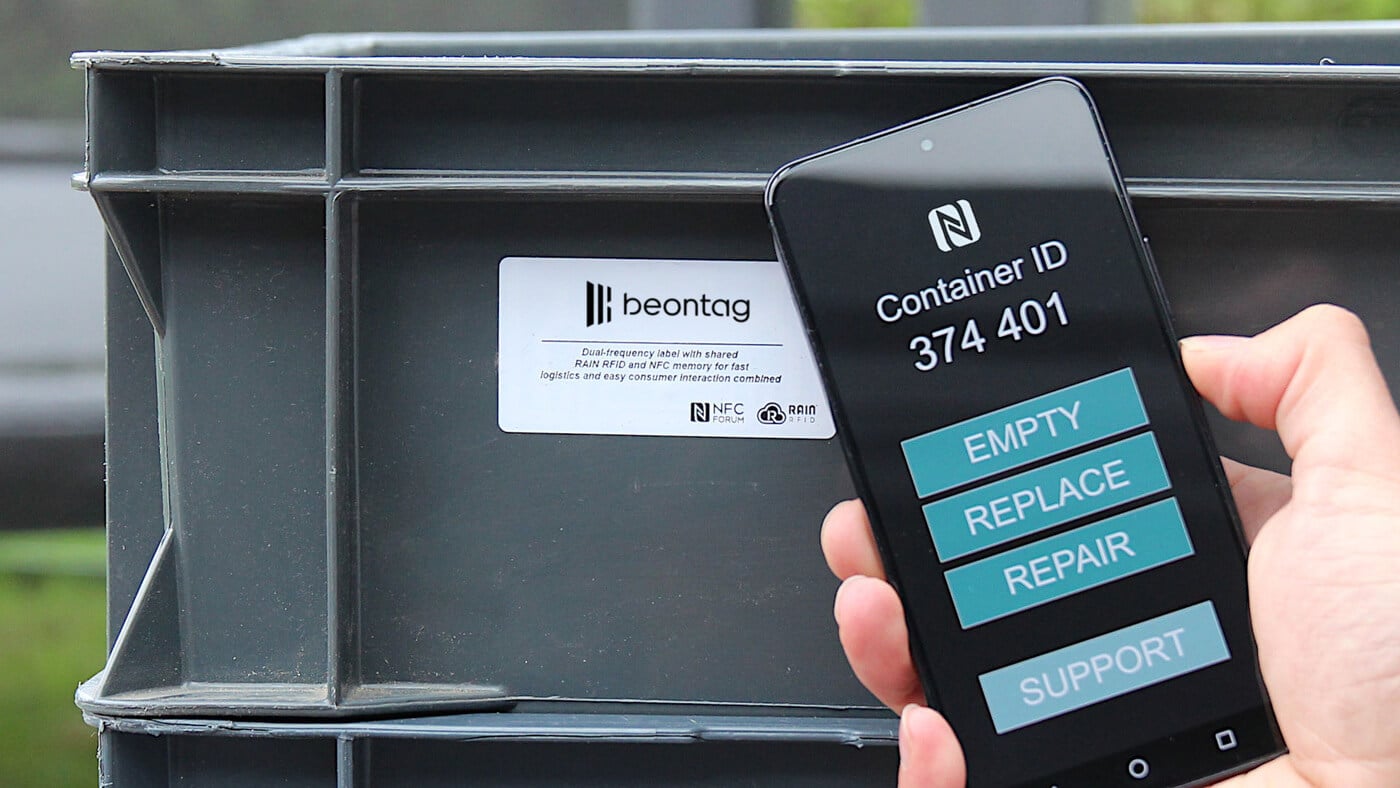
Carrier Dual - Dual Frequency UHF & NFC Tag for Logistics and Retail

Dual frequency / Antenna 33 x 67 mm

Best-in-class dual frequency product for RTIs and other applications that require the long-range RAIN RFID functionality for supply chain management and inventory counting but also NFC interface for consumer interaction at the point-of-delivery. Shared memory makes data handling easy via both interfaces.

See datasheet

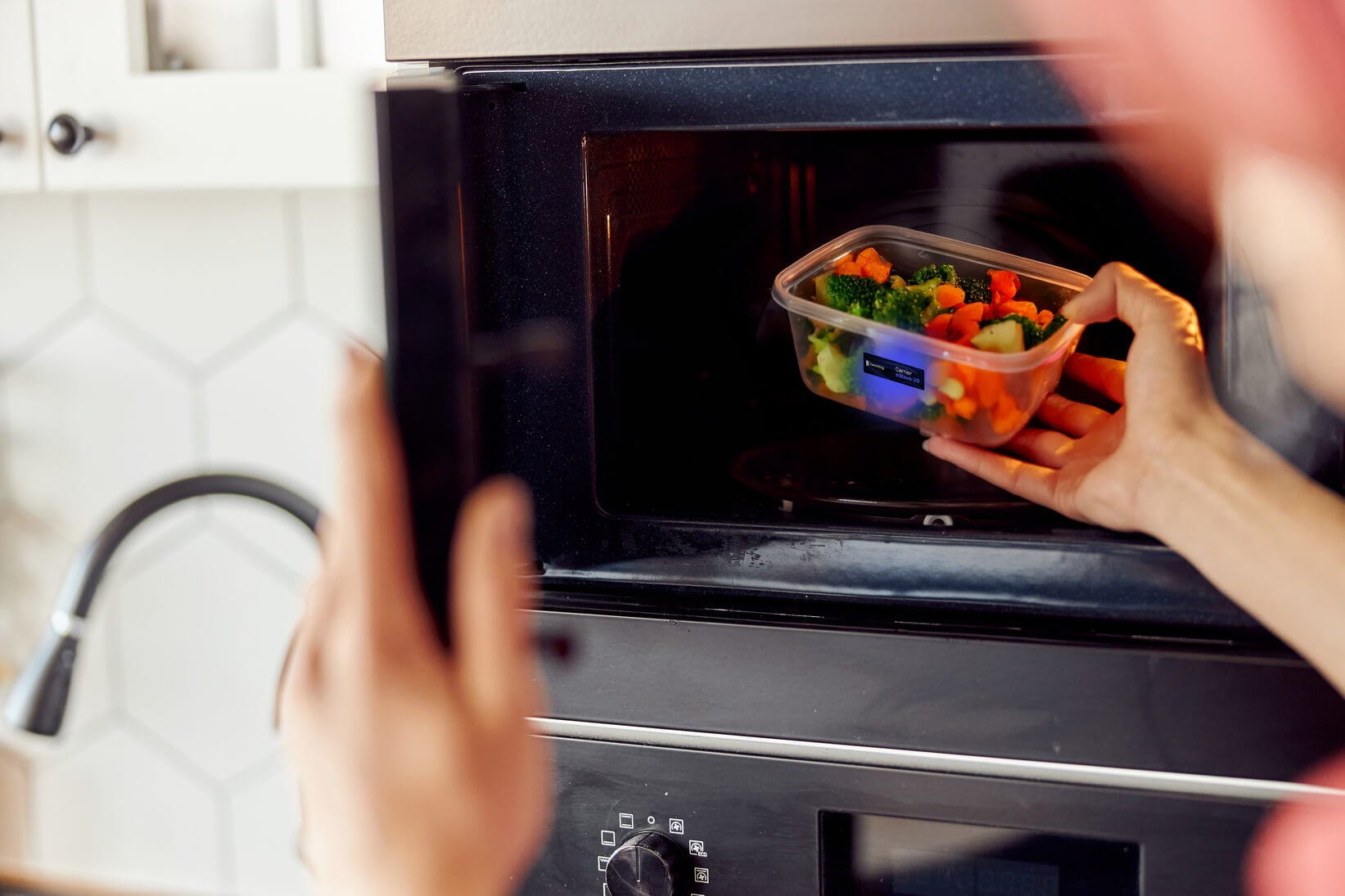
microwave rfid tagline shape

Specialty RFID Labels

Carrier eWave - UHF RFID Label for Reusable Packaging and Microwave Resistance

UHF RFID / Antenna 38 x 10 mm

Carrier eWave is a washable, industrial-grade UHF label, compliant with microwave ovens, ideal for returnable and reusable food packaging applications, as it ensures circularity, asset management and supply chain processes while being safe and resistant.

See datasheet

Image without altline shape

Specialty RFID Labels

Carrier KLT – UHF RFID Label for Automotive Supply Chain (VDA 4500)

UHF RFID / Antenna 20 x 88 mm

Carrier KLT is a VDA 4500 compliant RFID label specifically designed for automotive industry applications. It is also available with optional protective layer for better printing durability and uses the same antenna design as Carrier PRO with proven performance.

See datasheet

Image without altline shape

Specialty RFID Labels

Carrier Pro – UHF RFID Tag for Asset Tracking and High Water Content Products

UHF RFID / Antenna 20 x 88 mm

Carrier Pro offers larger area for visual printing. Unique antenna design offers reliable tracking even when close to products that have high water content.

See datasheet

Image without altline shape

RFID Hard Tags

Carrier Tough Slim – Durable UHF RFID Hard Tag for Industrial Asset Tracking

UHF RFID / Dimensions 122 x 18 x 2 mm

Designed for the harshest environments, Carrier Tough Slim provides you the robustness of hard tags with full personalization options.

See datasheet

Image without altline shape

RFID and NFC Tags & Inlays

Crosswave Neo – UHF RFID Tag with 360-Degree Readability Logistics and Supply Chain

UHF RFID / Antenna 46,5 x 72 mm

Unique dual-dipole behavior combined with performance of the latest IC generation. 360-degree readability offers reliable and fast logistics even in challenging environments.

See datasheet

Image without altline shape

Specialty RFID Labels

Cruiser Headlamp – Transparent UHF RFID Tag for Automotive and Vehicle Tracking

UHF RFID / Antenna 8,5 x 87 mm

Transparent and small Cruiser Headlamp label is an excellent choice for headlamp use in cars and motorcycles. All its materials are tested against chemicals, high temperatures and UV light. Its infrared protection guarantees optimal performance.

See datasheet

Image without altline shape

Specialty RFID Labels

Cruiser Windshield Crypto – UHF RFID Tag with Encryption for Vehicle Identification

UHF RFID / Antenna 11 x 93 mm

Cruiser Windshield Crypto label enables fast and secure transactions with its encryption feature. The data encryption prevents frauds while the IC's fast readability is maintained at the same time. Long reading distance and durable materials make sure traffic flow is not interrupted.

See datasheet

Image without altline shape

Specialty RFID Labels

Cruiser Windshield – Tamper-Evident UHF RFID Label for Fast Vehicle Identification

UHF RFID / Antenna 88 x 20 mm

Cruiser Windshield label offers full customization and encoding options with tamper-evident security. The label is especially designed for fast and reliable vehicle identification.

See datasheet

Image without altline shape

Specialty RFID Labels

Eclipse – Compact NFC RFID Tag for Retail and Anti-Counterfeiting

NFC / Antenna 21,75 x 11,85 mm

Eclipse are compact tags designed to meet the specific demands of retailers. The small size makes them the ideal choice for retail and apparel applications that leverage NFC technology for customer experience, authentication, and anti-counterfeiting applications. These tags come with additional protection features such as memory with security mechanisms and 3 pass mutual authenticarion process, to ensure privacy of users' data during interactions

See datasheet

Image without altline shape

RFID Sustainable Products

RFID and NFC Tags & Inlays

ECO Bale - Sustainable UHF RFID Tag for Pulp Bales

UHF RFID / Antenna 94 x 24 mm

ECO Bale is designed and optimized for tagging pulp bales and complies with the special requirements of the pulping process. ECO Bale enables end-to-end traceability until the bale, with the tag included, enters the papermaking process and dissolves.

See datasheet

Choosing the correct pressure-sensitive adhesive is a strategic decision that directly affects label performance, application efficiency, and brand perception. In label printing, adhesives are often invisible to consumers, yet they determine whether labels last, fail, or elevate the product's experience throughout their entire lifecycle. 

Many converters and brand owners struggle with adhesive selection because labels face increasingly complex demands. From sustainability goals to faster production lines and diverse substrates, modern labeling environments require more than a one-size-fits-all solution. Understanding how to choose pressure-sensitive adhesive correctly helps avoid costly errors and performance compromises. 

In this article, we’ll take you through a structured and practical adhesive selection guide for professionals across packaging, labeling, and industrial applications. By exploring PSA fundamentals, types, key decision factors, and common mistakes, you will gain clarity and confidence to continue reading and make more informed adhesive choices. 

Pressure-sensitive adhesive how to choose: two cardboard shipping boxes with barcode labels and handling symbols on a clean studio background.

What is a pressure-sensitive adhesive (PSA)? 

A pressure-sensitive adhesive is a viscoelastic material that forms a bond when light pressure is applied, without requiring heat, water, or solvents for activation. This simplicity enables fast application, clean processing, and consistent performance across multiple label formats and industries. 

PSAs are engineered to balance adhesion, cohesion, and tack, allowing labels to stick instantly while maintaining internal strength over time. Unlike reactive adhesives, they remain permanently tacky, adapting to surface irregularities and maintaining contact through mechanical and molecular interactions. 

Understanding what defines a PSA is foundational when learning how to choose pressure-sensitive adhesive for label printing. The adhesive’s formulation determines not only bonding strength but also removability, durability, and compatibility with substrates, environments, and production processes commonly found in modern labeling operations. 

How PSAs work in labels 

Pressure-sensitive adhesives work by flowing slightly under pressure to wet the surface of a substrate, creating intimate contact at a microscopic level. This wetting action allows intermolecular forces to develop, producing immediate adhesion without curing or drying stages during label application. 

The performance of a PSA depends heavily on surface energy, texture, and cleanliness. High-energy surfaces like glass bond easily, while low-energy plastics require specially formulated adhesives. This interaction explains why adhesive selection cannot be separated from substrate analysis. 

When evaluating which pressure-sensitive adhesive you need, it’s essential to consider how the adhesive behaves during application, storage, and end use. Labels must maintain adhesion under stress while resisting edge lifting, migration, or failure caused by temperature, moisture, or handling conditions. 

Main types of pressure-sensitive adhesives 

Pressure-sensitive adhesives are available in multiple chemistries and formulations, each designed to meet specific performance needs. Selecting the right type requires balancing adhesion strength, environmental resistance, processing compatibility, and sustainability considerations across the label’s full lifecycle. 

Understanding the main PSA categories helps narrow options before testing. Adhesive families differ significantly in cost, performance envelope, regulatory compliance, and application suitability. This classification step is essential within any reliable PSA adhesive selection guide. 

Now, we’ll explore the most common PSA types used in label printing, highlighting their characteristics, strengths, and limitations to support better decisions when determining how to choose pressure-sensitive adhesive for demanding applications. 

Acrylic PSAs 

Acrylic pressure-sensitive adhesives are widely used due to their excellent balance of adhesion, durability, and resistance to UV light, aging, and chemicals. They perform well across a broad temperature range, making them suitable for long-term labeling applications in challenging environments. 

These adhesives offer strong clarity and color stability, which is critical for premium labels and brand-driven packaging. Acrylic PSAs can be engineered for permanent, removable, or repositionable performance, providing flexibility for different product needs and market requirements. 

When evaluating how to choose pressure-sensitive adhesives for labels requiring longevity and visual consistency, acrylic PSAs often stand out. Their versatility supports applications ranging from consumer goods to industrial labels exposed to heat, moisture, and outdoor conditions. 

How to choose pressure-sensitive adhesive: labeled body lotion bottle and skincare jars with green leaves on a clean studio background.

Rubber-based PSAs 

Rubber-based pressure-sensitive adhesives deliver high initial tack and strong adhesion to low-energy surfaces, such as certain plastics and corrugated materials. They are commonly selected for short-term applications where quick bonding is essential, and environmental exposure is limited. 

These adhesives typically perform well at room temperature but may show reduced resistance to UV light, oxidation, and higher temperatures. As a result, they are often used in logistics, promotional labels, and temporary identification solutions. 

Understanding how to choose pressure-sensitive adhesive involves recognizing when rubber-based PSAs are appropriate. They can provide cost-effective performance for fast-moving applications where long-term durability and aesthetic stability are not primary requirements. 

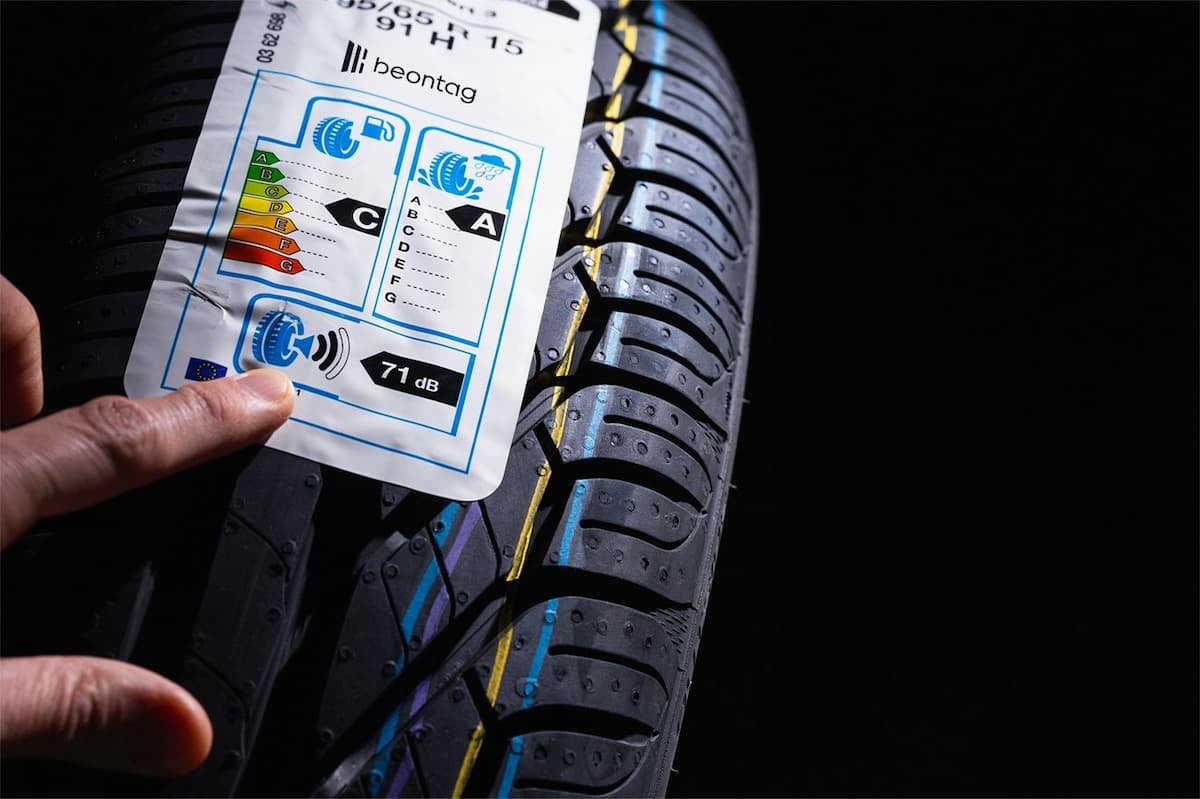
Pressure sensitive adhesive how to choose: close-up of a hand applying an EU tire label sticker onto a new car tire tread.

Silicone PSAs 

Silicone pressure-sensitive adhesives are specialized materials designed for extreme conditions, including very high or very low temperatures. They adhere well to silicone-coated surfaces and other substrates where conventional adhesives fail. 

These PSAs offer excellent thermal stability, chemical resistance, and flexibility, making them suitable for aerospace, electronics, and medical labeling. However, they are typically more expensive and used only when standard adhesive technologies are insufficient. 

When considering how to choose pressure-sensitive adhesive for niche or high-performance applications, silicone PSAs become relevant. Their unique properties justify their use in environments where reliability under extreme conditions is non-negotiable. 

How to choose pressure-sensitive adhesive: healthcare professional wearing gloves and a mask holding a labeled test tube in a clinical setting.

By formulation: emulsion, solvent-based, hot melt, UV-curable 

Beyond chemistry, PSAs are categorized by formulation methods, each affecting performance, processing, and sustainability. Emulsion adhesives are water-based and support lower environmental impact, while solvent-based PSAs offer high performance for demanding applications. 

Hot melt PSAs provide fast settings and high productivity, making them ideal for high-speed label lines. UV-curable adhesives enable precise control and reduce waste, although they require specialized curing equipment. 

Understanding these formulation differences is critical when learning how to choose pressure-sensitive adhesive. Processing conditions, regulatory goals, and application speed often influence formulation selection as much as adhesion performance itself. 

How to choose pressure-sensitive adhesive: large rolls of release liner material running through converting equipment in a production line.

Wanna know more about PSA? Check out our complete guide to know more about features, applications and benefits. 

Key factors to consider when choosing a pressure-sensitive adhesive 

Selecting the right PSA requires evaluating multiple interconnected factors rather than focusing on adhesion strength alone. Understanding where, how, and for how long a label will perform ensures better outcomes across production, logistics, and end use. 

A structured evaluation helps reduce risk and supports consistent label quality. The following factors are the core decision pillars of the 'how-to-choose' framework used by converters and brand owners worldwide. 

By systematically addressing these considerations, businesses improve efficiency, reduce failures, and align adhesive performance with broader operational and branding objectives. 

Substrate and surface energy 

Substrate type and surface energy are fundamental to adhesive performance. Materials like glass, metal, paper, and plastics each interact differently with PSAs, influencing wetting, adhesion strength, and long-term stability. 

Low-energy surfaces such as polyethylene or polypropylene require specially formulated adhesives to achieve reliable bonding. Surface texture, coatings, and contaminants also affect adhesion outcomes during application and require specially formulated adhesives to achieve reliable bonding.  

Understanding substrate characteristics is essential when determining how to choose the right pressure-sensitive adhesive. Testing real materials under realistic conditions helps validate compatibility before full-scale production. 

Check out more details about Labeling Low-Surface-Energy Plastics PP and PE in our blog. 

Environment and conditions of use 

Environmental exposure significantly impacts adhesive behavior. Temperature extremes, humidity, UV radiation, chemicals, and mechanical stress can all challenge label adhesion and durability over time. 

Labels used in refrigeration, outdoor storage, or industrial settings require adhesives designed to maintain performance under those specific conditions. Failure to account for the environment often leads to premature label failure. 

When you choose pressure-sensitive adhesive, considering real-world exposure scenarios ensures the selected PSA supports consistent performance throughout the product’s intended use. 

Application method and line speed 

Label application methods and production speeds influence adhesive selection. High-speed labeling lines demand adhesives with controlled track and shear to prevent flagging, misalignment, or adhesive build-up on equipment. 

Manual or semi-automatic applications may tolerate different adhesive behaviors compared to automated systems. Release characteristics and coat weight also affect processing efficiency. 

Evaluating application dynamics is critical when deciding how to choose pressure-sensitive adhesive, ensuring compatibility with current and future production capabilities. 

Also read: Pressure-Sensitive or Glue-Applied Labels: Which Is Right for Your Product? 

Product lifecycle and removability 

The intended lifecycle of a product determines whether a label must be permanent, removable, or repositionable. Adhesives must align with consumer expectations, regulatory requirements, and end-of-life considerations. 

Removable labels should detach cleanly without residue, while permanent labels must resist tampering and environmental stress. Some applications require adhesives that evolve over time, increasing bond strength after application. 

Understanding lifecycle expectations is central to how to choose pressure-sensitive adhesive that supports functionality without compromising user experience or sustainability goals. 

Regulatory and industry requirements 

Many industries impose strict regulations on labeling materials, including food contact, pharmaceuticals, electronics, and chemicals. Adhesives must comply with applicable standards to ensure safety and market access. 

Migration resistance, toxicity limits, and traceability may influence adhesive selection. Regional regulations also vary, requiring careful material evaluation for global distribution. 

Considering compliance early simplifies how to choose pressure-sensitive adhesive while reducing risk, delays, and costly reformulations later in the product development process. 

Aesthetics and brand experience 

Adhesives influence label appearance more than often assumed. Clarity, edge definition, and resistance to bubbling or discoloration all affect perceived product quality and brand trust. 

Transparent labels and premium packaging require adhesives that remain invisible and stable over time. Poor adhesive choices can undermine even the most sophisticated graphic design. 

Incorporating aesthetics into how to choose pressure-sensitive adhesive ensures the label supports brand storytelling while maintaining functional performance throughout its lifecycle. 

A step-by-step guide to selecting the right PSA 

A structured selection process helps teams navigate complexity and align technical requirements with business goals. Following a step-by-step approach reduces uncertainty and supports data-driven adhesive decisions. 

This framework transforms adhesive selection from guesswork into a repeatable process. It reflects best practices commonly used across the pressure sensitive adhesive selection guide methodologies applied by experienced material specialists. 

Each step builds clarity and confidence, helping teams choose solutions that perform reliably across diverse applications and markets. 

Step 1: Map where and how your product will live 

Start by defining the full journey of your product, from manufacturing and logistics to end use and disposal. Identify exposure to temperature, moisture, handling, and environmental stress throughout its lifecycle. 

Understanding this context frames all subsequent decisions. It clarifies performance expectations and helps avoid underestimating real-world conditions labels will encounter. This foundational step anchors reduces the risk of downstream failures. 

Step 2: Analyze your substrate(s) 

Evaluate all substrates the label will contact, including primary packaging, secondary packaging, and any curved or textured surfaces. Consider material type, coatings, and surface energy variations. 

Substrate analysis informs adhesive chemistry and formulation choices. Testing on actual materials provides valuable insights beyond theoretical compatibility. 

A clear substrate profile simplifies how to choose pressure-sensitive adhesive by narrowing options before costly trials begin. 

Step 3: Define performance requirements 

Translating business’ needs into measurable adhesive performance criteria, such as peel strength, shear resistance, temperature tolerance, and removability. Prioritize requirements based on application risks and customer expectations. 

Avoid overengineering by focusing on what truly matters. Excess performance can increase costs without adding value. 

Step 4: Shortlist adhesive families 

Based on substrates, environment, and performance needs, identify suitable adhesive families such as acrylic, rubber-based, or specialty PSAs. Consider formulation types that align with processing and sustainability goals. 

This shortlisting stage streamlines testing and collaboration with material partners. It reduces complexity while maintaining flexibility. Effective shortlisting is a key milestone in how to choose pressure-sensitive adhesive efficiently and strategically. 

Step 5: Test, validate and iterate 

Conduct trials under realistic conditions, including application, storage, and end-use scenarios. Monitor performance over time and gather feedback from production and quality teams. 

Iteration is often necessary to fine-tune adhesive selection. Minor adjustments can significantly improve outcomes. Testing completes the loop in how to choose pressure-sensitive adhesive, transforming informed assumptions into validated solutions. 

Common mistakes to avoid when choosing a PSA 

Choosing a pressure-sensitive adhesive without a structured evaluation often leads to performance issues that could have been avoided early in the process. Many failures are not caused by misaligned expectations, incomplete testing, or overlooking real-world conditions. 

  • Focusing only on cost instead of total performance 
    Selecting a PSA based solely on price can result in higher long-term costs due to label failures, rework, or customer complaints. A lower-cost adhesive may lack durability, environmental resistance, or consistency, ultimately impacting operational efficiency and brand perception.
  • Underestimating real application and environmental conditions 
    Testing adhesives only under controlled or ideal conditions is a common mistake. Labels may face temperature fluctuations, humidity, UV exposure, or mechanical stress that were not considered initially, leading to edge lifting, adhesive failure, or reduced lifespan in real use.
  • Ignoring substrate variability and surface characteristics 
    Assuming that one adhesive will perform equally well across different substrates often causes inconsistent results. Variations in surface energy, texture, coatings, or contamination can significantly affect adhesion, the making of proper substrate analysis and testing essential.
  • Skipping proper testing and validation phases 
    Relying on theoretical performance data without real-world trials increases risk. Line speed, application pressure, storage time, and end-use conditions all influence adhesive behavior, and skipping validation can lead to unexpected issues during scale-up or market launch.
  • Not planning for the product’s full lifecycle 
    Failing to consider whether a label needs to be removable, permanent, or compliant with recycling processes can create problems at later stages. Adhesives should support not only application but also consumer use, regulatory compliance, and end-of-life requirements. 

Check out some of Beontag’s applications available for PSA: 

Health and Beauty Products 

Food Industry 

Textile and Garment Labels 

Tight Mandrel 

How an expert partner can help you choose the right adhesive 

Adhesive selection benefits significantly from collaboration with experienced material specialists. Expert partners provide technical insight, testing support, and access to a broad portfolio of adhesive technologies. 

They help interpret requirements, recommend suitable PSA families, and optimize formulations for specific applications. This guidance reduces development time and minimizes costly trial-and-error cycles. 

Partner with Beontag to choose the ideal pressure-sensitive adhesive for your growing business 

Choosing the right pressure-sensitive adhesive is ultimately about precision, consistency, and long-term performance. Beontag supports converters and brand owners with advanced materials designed to meet diverse challenges across industries. 

With deep expertise in pressure-sensitive adhesive materials, Beontag focuses exclusively on delivering high-quality solutions tailored to real-world applications. If you want expert support, contact our team of specialists and explore our portfolio of Graphic and Label Materials to discover solutions aligned with your performance goals. 

Banner showing a warehouse aisle with the headline “Explore Connected Solutions That Scale with You.”

You may also like to see

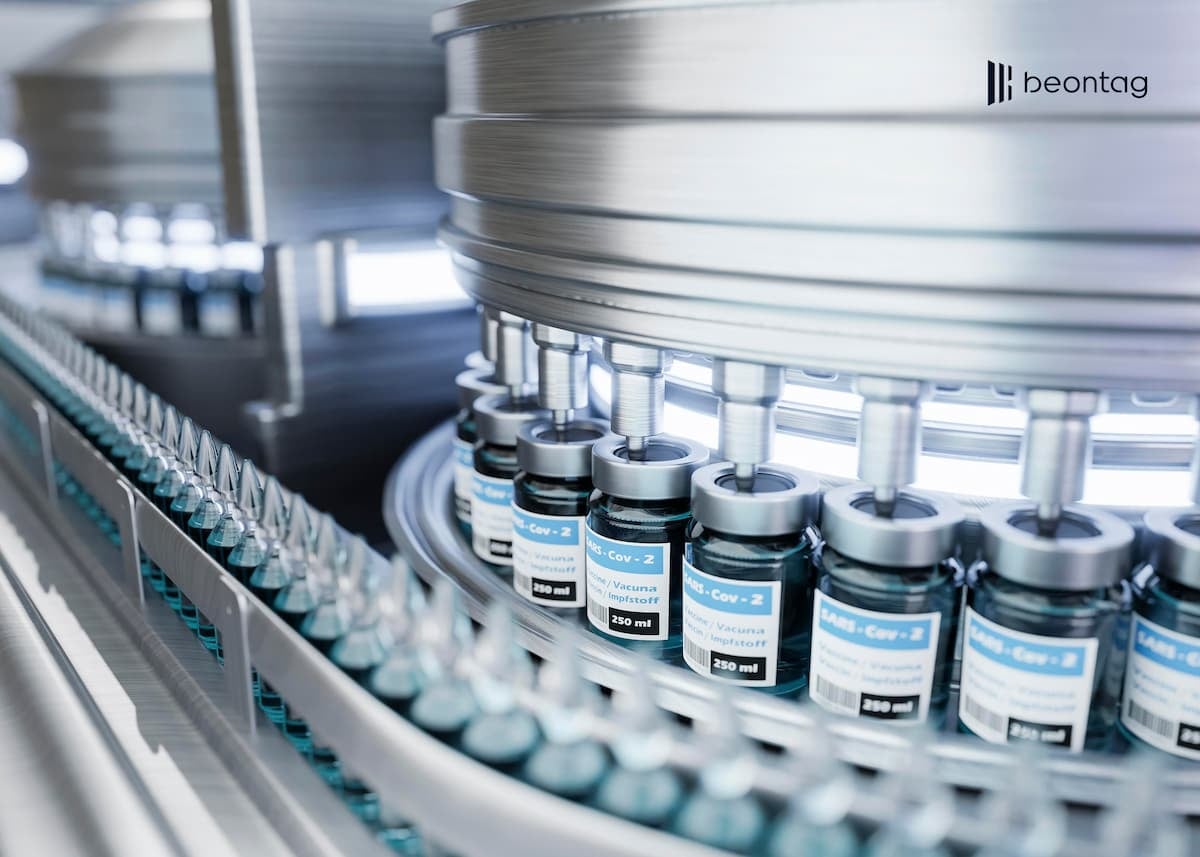
Pharmaceutical production line with vaccine vials moving through an automated filling machine, featuring self-adhesive labels applied to each container for clear identification and traceability.line shape

RFID/IoT

GLM

What are self-adhesive (pressure-sensitive) labels and how do they work?

Last Updated 04/08/2026

Self-adhesive labels are label constructions that rely on pressure-sensitive adhesives to bond to su...

Blue capsule bottle and matching pharmaceutical box with self-adhesive labels, highlighting branded packaging for healthcare and supplement products.line shape

RFID/IoT

GLM

Self-Adhesive Labels for Pharmaceuticals: Compliance, Safety, and Tracking

Last Updated 03/31/2026

Self-Adhesive Labels for Pharmaceuticals must meet strict regulatory, safety, and traceability stand...

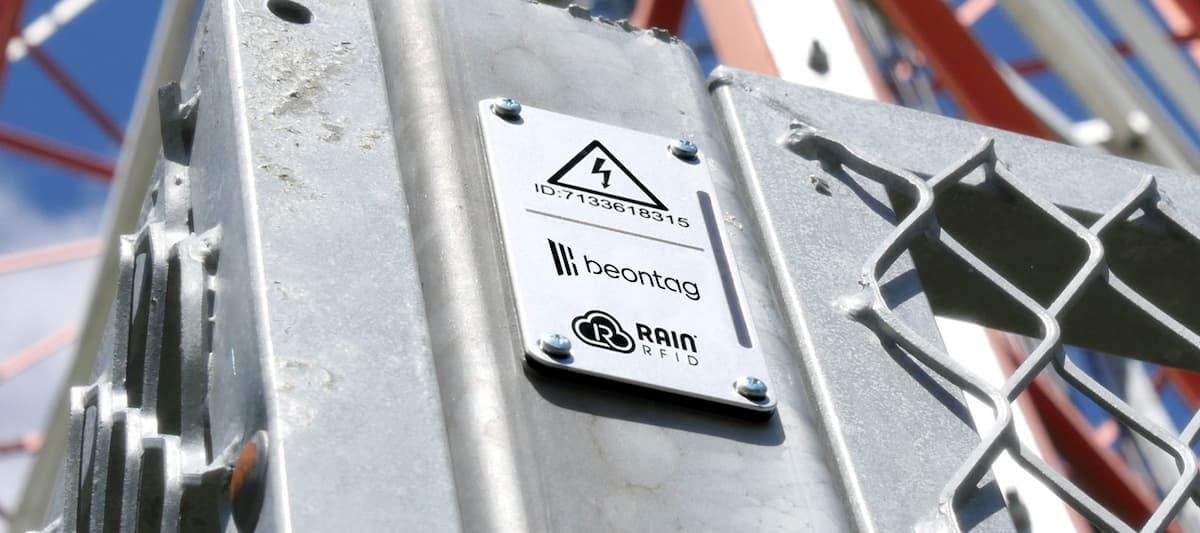
Close-up of a Beontag RAIN RFID hard tag mounted on a metal structure, showing an ID number and an electrical warning symbol.line shape

RFID/IoT

GLM

Understanding RFID Hard Tags: Function, Benefits, and Selection

Last Updated 03/04/2026

RFID hard tags are durable identifiers used to track, secure, and manage assets in demanding environ...

RFID in retail store associate scanning packaged goods on a grocery shelf with a handheld scanner for real-time inventory accuracy.line shape

RFID/IoT

How RFID in retail works: From backroom blind spots to real-time shelf visibility

Last Updated 02/19/2026

RFID in retail refers to the use of radio frequency identification technology to track products auto...

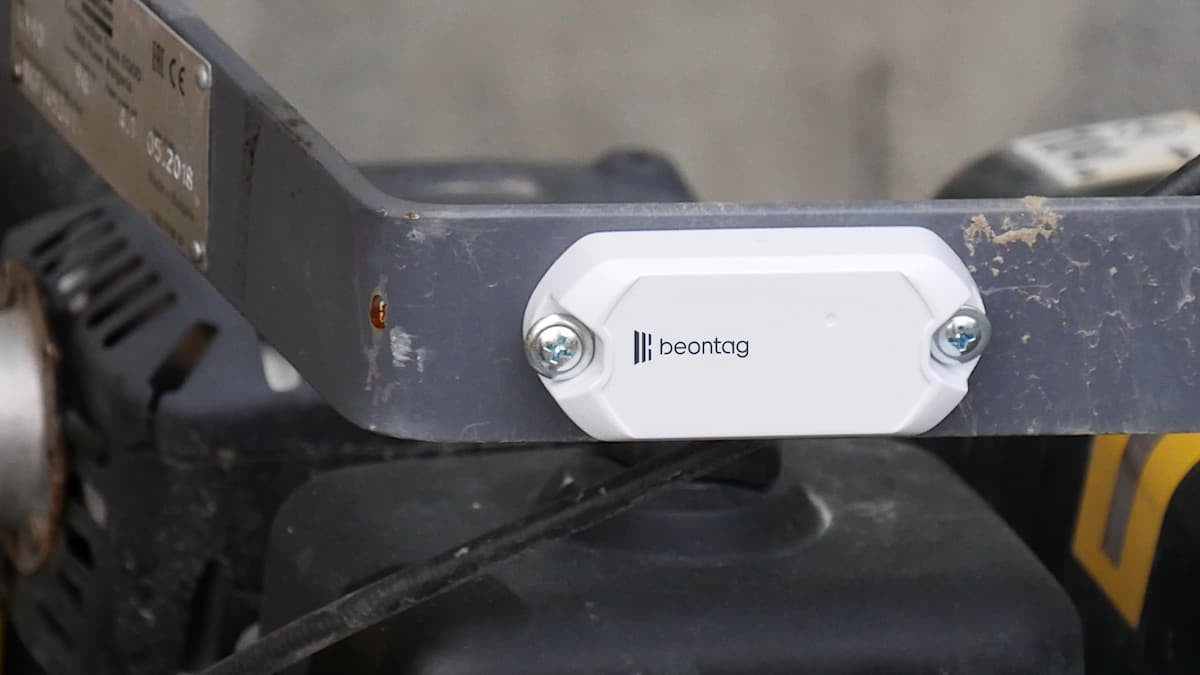
A close-up of a Beontag RFID hard tag mounted with screws on industrial equipment.line shape

RFID/IoT

RFID Labels vs Hard Tags: What’s the Difference and Which Should You Choose?

Last Updated 02/10/2026

RFID labels are ideal for high-volume, low-cost tracking thanks to their flexibility and easy applic...

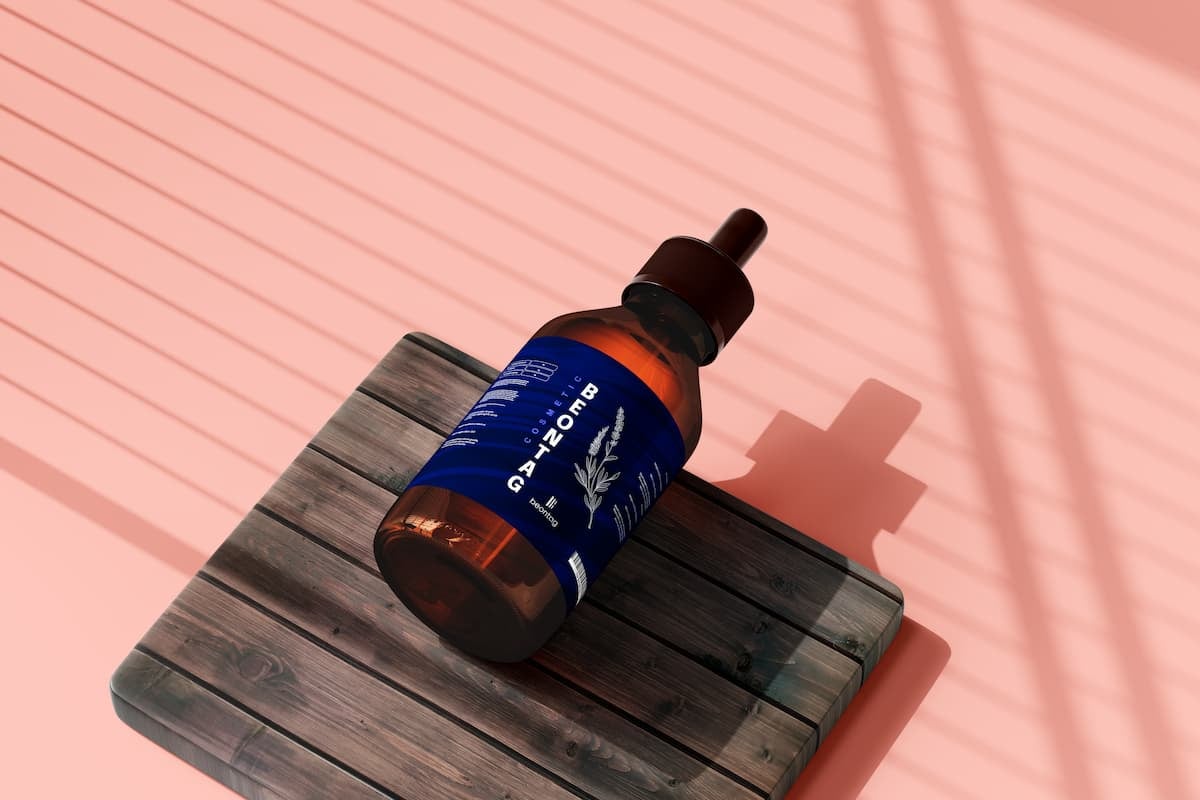
Amber dropper bottle with a blue label resting on a wooden board against a pink background with shadow lines.line shape

GLM

Hot Melt vs. Water-Based Adhesives: Which Is Right for Your Labels?

Last Updated 02/04/2026

Hot melt and water-based adhesives serve different label needs depending on performance, environment...

Car windshield with an RFID tag near the A-pillar, illustrating rfid read range for vehicle identification and access control.line shape

RFID/IoT

What Really Affects RFID Read Range - and How to Improve It

Last Updated 01/26/2026

RFID read range is the maximum distance at which a tag can be detected by a reader. Keep reading to ...

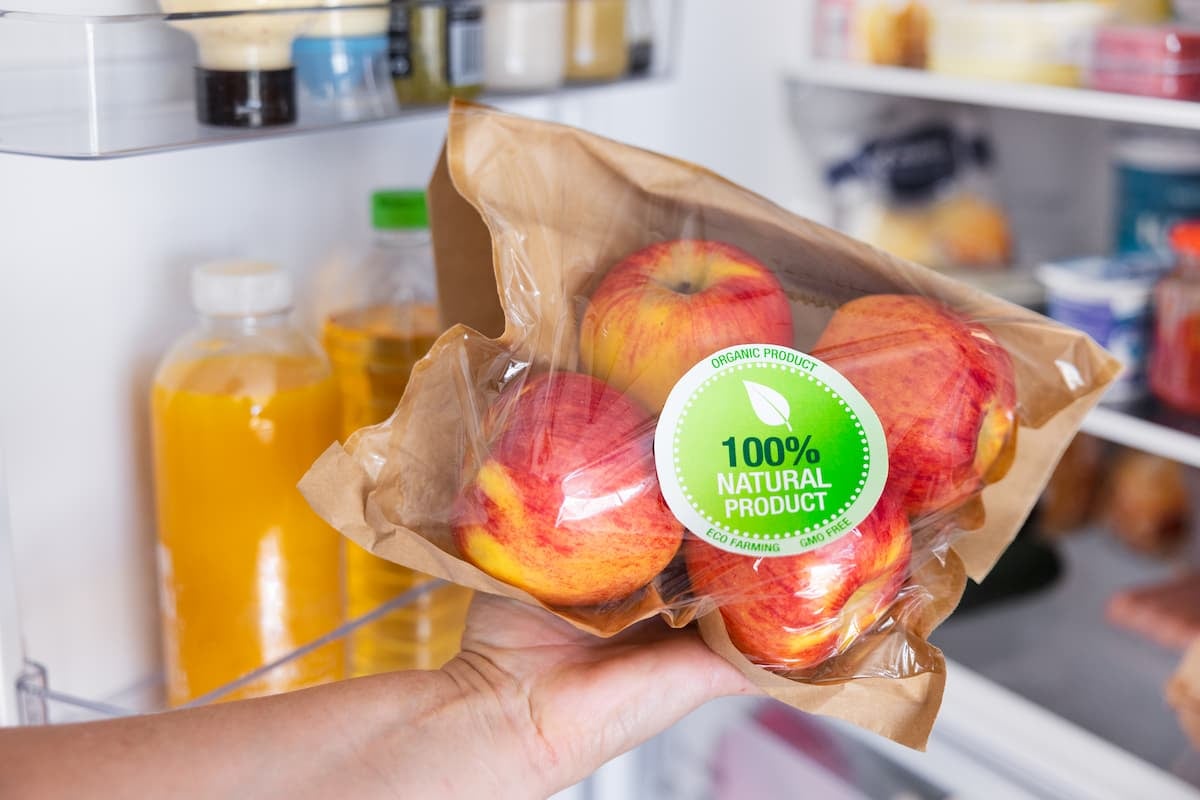
Hand holding a bag of apples with a “100% natural product” sticker inside a refrigerator, highlighting labeling trends in food packaging and consumer transparency.line shape

GLM

What labeling trends will shape pressure-sensitive adhesives for labels in 2026?

Last Updated 01/23/2026

The labeling trends that are shaping PSA for labels in 2026 include circular packaging, cleaner chem...

Woman in business attire at a supermarket self-checkout, holding an orange product package and looking at it beside payment terminals.line shape

RFID/IoT

What RFID trends will shape retail, industry, and cities in 2026?

Last Updated 01/27/2026

RFID trends for 2026 are item-level visibility, digital product passports, automated experiences, sm...

Glass-front convention center with flags and taxis outside, representing the venue and atmosphere of NRF 2026.line shape

RFID/IoT

GLM

NRF 2026: How Beontag and Temera Are Leveling Up the Retail Experience

Last Updated 01/22/2026

NRF 2026 is the world’s leading retail innovation event, and Beontag will be there with Temera to sh...

Beontag logo sticker on a white vehicle door, illustrating pressure-sensitive-adhesive labeling.line shape

GLM

Understanding Pressure-Sensitive Adhesives: Properties, Types, and Uses

Last Updated 01/20/2026

Pressure-sensitive adhesives are versatile bonding materials activated by light pressure. Explore ho...

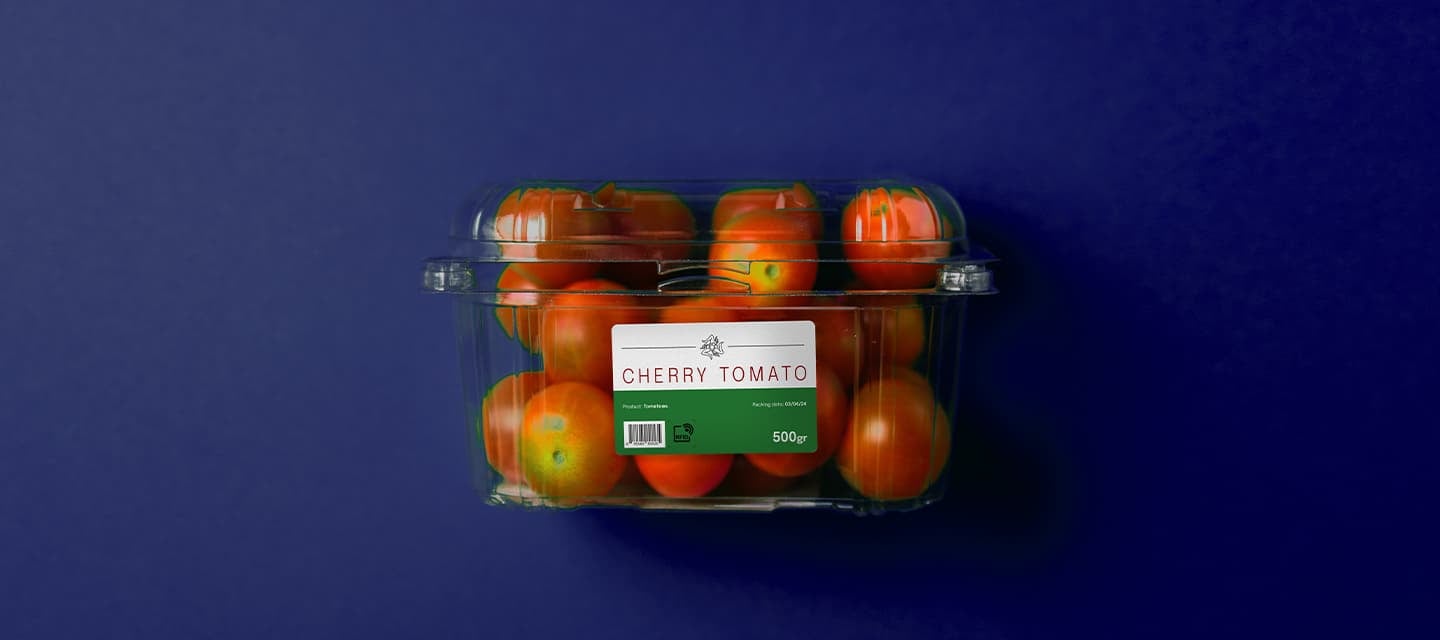
Cherry tomato packaging with a clear container and product sticker, illustrating types of self adhesive labels used in fresh food packaging.line shape

GLM

Types of Self-Adhesive Labels: Comparing Paper, Film, and Hybrid Constructions

Last Updated 01/13/2026

The three main types of self-adhesive labels are paper, film, and hybrid. Paper offers versatility a...